


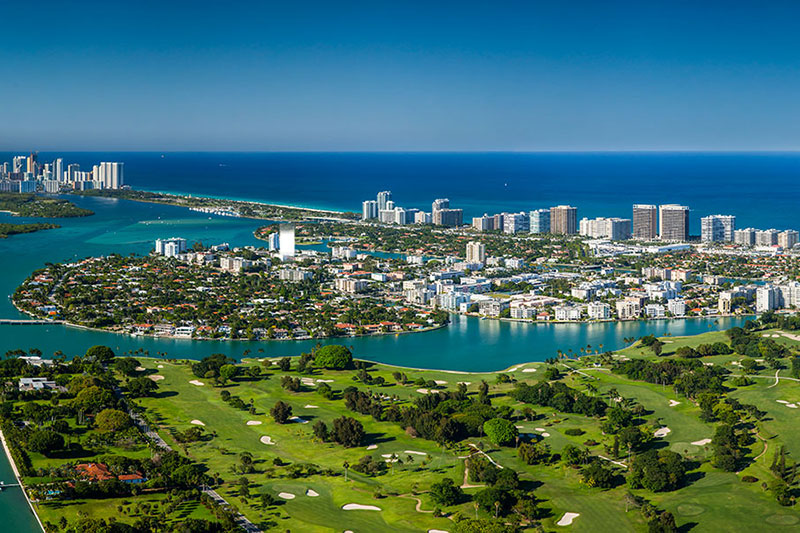
When you say “Bal Harbour” to someone who understands Miami’s luxury real estate market, they think of one thing immediately: exclusivity without compromise.
Not the exclusivity of gatedness or isolation, which defines some ultra-luxury markets. The exclusivity of curation. Bal Harbour is 2.7 square miles of oceanfront and bay-adjacent land where every major developer, every major retailer, and every luxury brand has made deliberate choices about whether to be there, and if so, at what scale and positioning.
Bal Harbour Shops — 250,000 square feet of open-air luxury retail anchored by Chanel, Hermès, Prada, Gucci, Louis Vuitton, and every other globally recognized name in high-end fashion — is not incidental to the neighborhood. It is the neighborhood’s identity. Residents live in Bal Harbour not just for the oceanfront address, but for the consequence of that address: a place where the highest concentrations of capital, taste, and international buyers have chosen to congregate, and where that choice compounds on itself across decades.
This guide walks you through what Bal Harbour actually offers in 2026, how it positions against other ultra-luxury oceanfront alternatives (Surfside, Sunny Isles, Aventura), and what the real estate market reveals about who lives here and why.
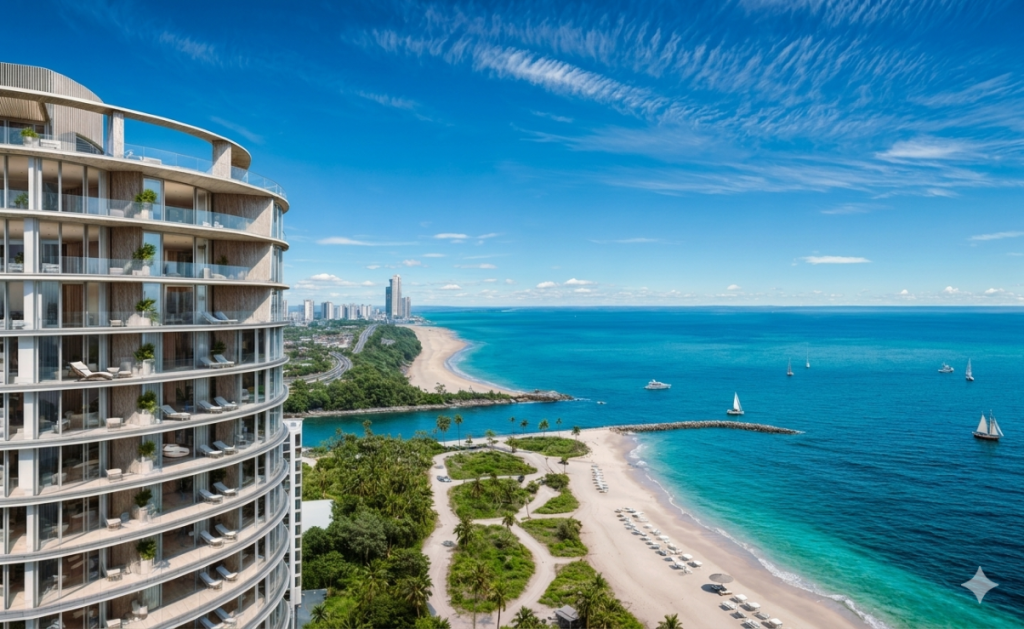
Bal Harbour’s Origin Story: How 2.7 Miles Became Miami’s Signature Address
Bal Harbour was incorporated as a village in 1956, but its real identity crystallized later, shaped by a single decision: the opening of Bal Harbour Shops in 1965.
The shops were not built as a mall, which would be owned by a development company and leased to retailers. They were built as a highly curated, ultra-luxury retail destination where every brand present paid a premium for access to an oceanfront clientele with the spending power to sustain it. This positioning — a retail environment designed around the buyer, not the other way around — shaped every subsequent decision about who would live in Bal Harbour and at what price point.
While Miami Beach developed southward through Art Deco and South Beach, and while Aventura and Sunny Isles Beach built themselves around marina living and high-rise density, Bal Harbour made a different choice: concentrate ultra-wealthy oceanfront residents at a scale that could sustain the highest-level retail and hospitality infrastructure.
The neighborhood built slowly, deliberately. Major residential towers were spaced across decades rather than compressed into development booms. The result is a market where scarcity is permanent, not just cyclical. You cannot rezone Bal Harbour for higher density. You cannot add new beachfront. The supply of available oceanfront land in Bal Harbour is fixed, and has been for decades.
This constraint is the bedrock of Bal Harbour’s market positioning. In a region where new supply constantly flows (Edgewater, Brickell, downtown Miami), Bal Harbour’s oceanfront inventory is permanently capped. That constraint has produced documented appreciation trajectories that few other neighborhoods in South Florida can match.
The Lifestyle: What Bal Harbour Residents Actually Do
To understand Bal Harbour’s appeal to ultra-wealthy buyers, you need to understand daily life there, because it is radically different from other oceanfront alternatives.
In Surfside, residents live oceanfront and drive south to Miami Beach for shopping, dining, and nightlife. In Sunny Isles Beach, residents live oceanfront in an established but increasingly dense high-rise corridor. In Aventura, residents live in golf-course-adjacent communities built around a mall-anchored retail environment.
In Bal Harbour, residents walk to Chanel. They walk to Hermès. They walk to Le Zoo Brasserie, to the array of Michelin-starred and internationally recognized restaurants concentrated in or immediately adjacent to the retail district. They walk to a private beach club. They walk to a nine-hole golf course within the shopping complex.
This walkability to ultra-luxury retail and dining is not replicated anywhere else in South Florida at this scale and concentration. It is the consequence of a deliberate 60-year commitment to curating the neighborhood around a specific buyer profile: international wealth, brand consciousness, and willingness to pay premium prices for proximity to luxury.
The physical layout enables this. The shopping district sits between the residential corridor to the west (on Collins Avenue and north-south streets branching off it) and the Atlantic Ocean to the east. Residents cross Collins Avenue, walk through the shops, and emerge onto a private beach. The entire daily-life infrastructure — retail, dining, beach access — is within a five-to-ten minute walk from virtually every residence.
By contrast, in Sunny Isles, residents access the beach through building lobbies or property management agreements. In Surfside, the beach is accessible but requires a car for retail or dining access beyond a handful of neighborhood restaurants. In Aventura, residents drive to both shopping and beach access.
This difference — walkable versus car-dependent lifestyle — is the primary reason Bal Harbour commands premium pricing. It is not just beachfront; it is beachfront with integrated daily-life infrastructure designed for ultra-luxury living.
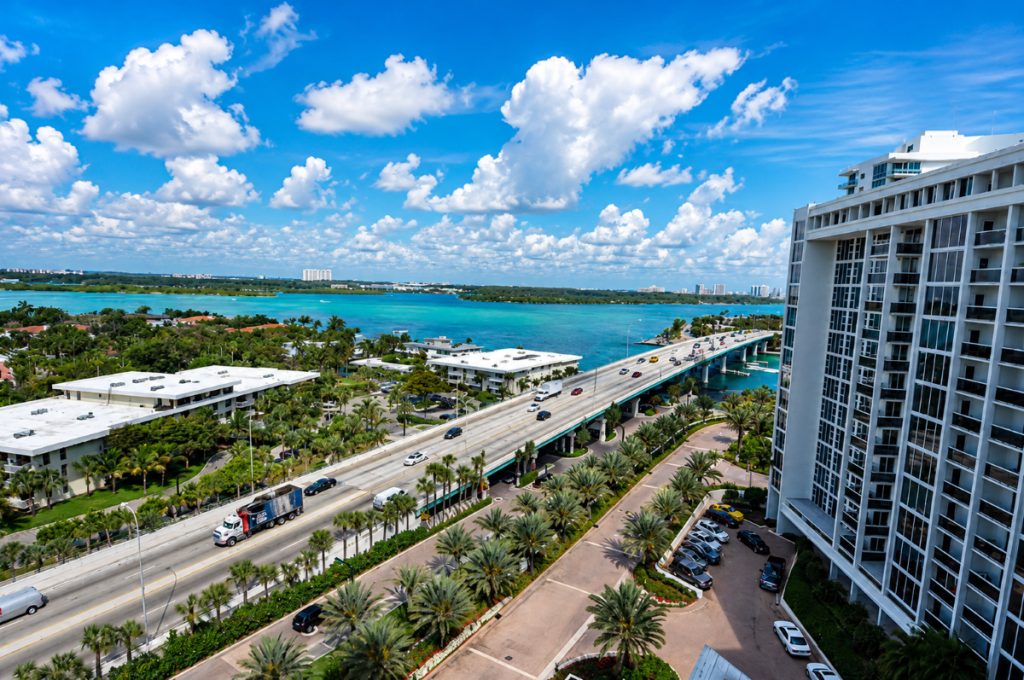
The Real Estate Landscape: Building Types and Price Tiers
Bal Harbour’s residential inventory is concentrated in four primary categories:
Oceanfront Condominiums (60% of inventory): Towers ranging from 8 to 25 stories, positioned directly on Collins Avenue with immediate beach access. These are the flagship residential product in Bal Harbour and command the highest price-per-square-foot in the neighborhood.
Bay-Adjacent Condominiums (20% of inventory): Towers and mid-rise buildings positioned on the bay side of Collins Avenue, with bay views and reduced beach access. These trade oceanfront premium for lower price points.
Single-Family Oceanfront Homes (10% of inventory): Original estates and rebuilt single-family homes on large oceanfront lots. These are rare and extremely high-value.
Luxury Rental (10% of inventory): Hotel-residences and branded residences (Four Seasons, Ritz-Carlton) that blend hospitality service with residential ownership, primarily occupying oceanfront land.
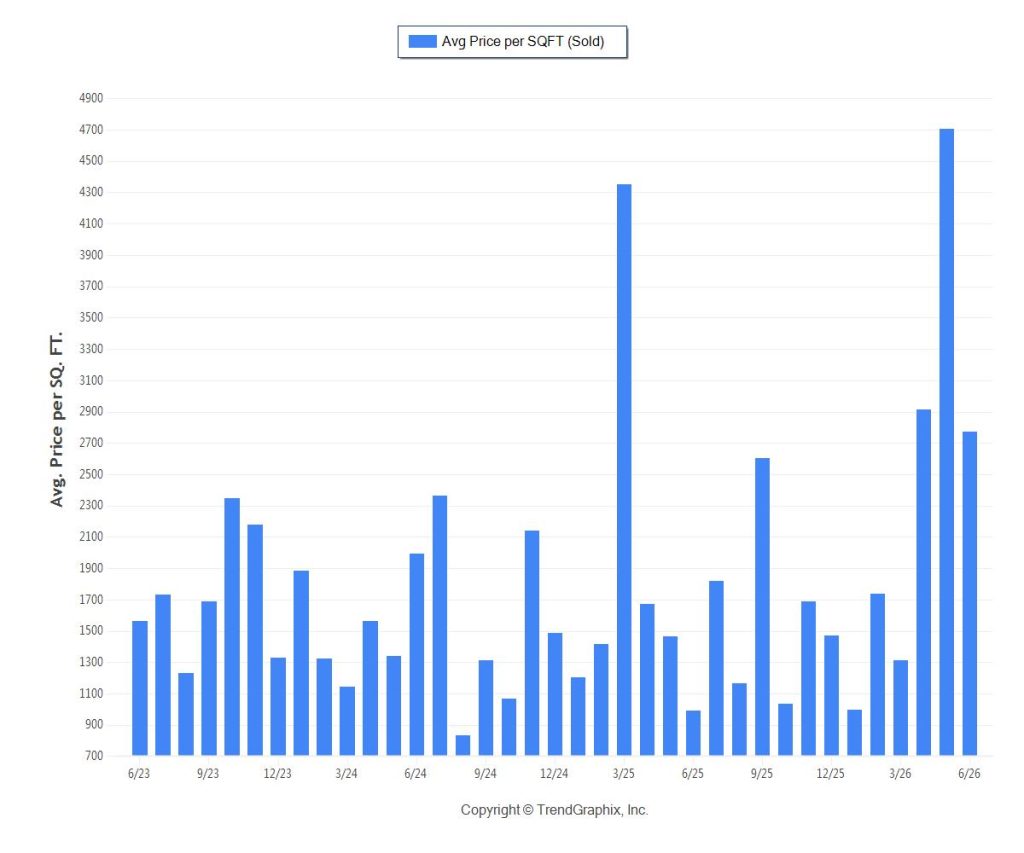
The price-per-square-foot hierarchy is steep. Oceanfront condominiums in 2026 are trading at $3,000 to $5,000+ per square foot, depending on floor and view. Bay-side condominiums are $2,000 to $3,500 per square foot. Single-family oceanfront homes command premium pricing based on lot size and architecture.
The entry point into Bal Harbour oceanfront ownership is approximately $3.5M to $5M for a three-bedroom residence in an established building. Penthouses and trophy residences go $15M to $50M+. This price tier means the buyer pool is globally concentrated: Latin American capital, European wealth, Middle Eastern investment, and top-tier US domestic buyers.
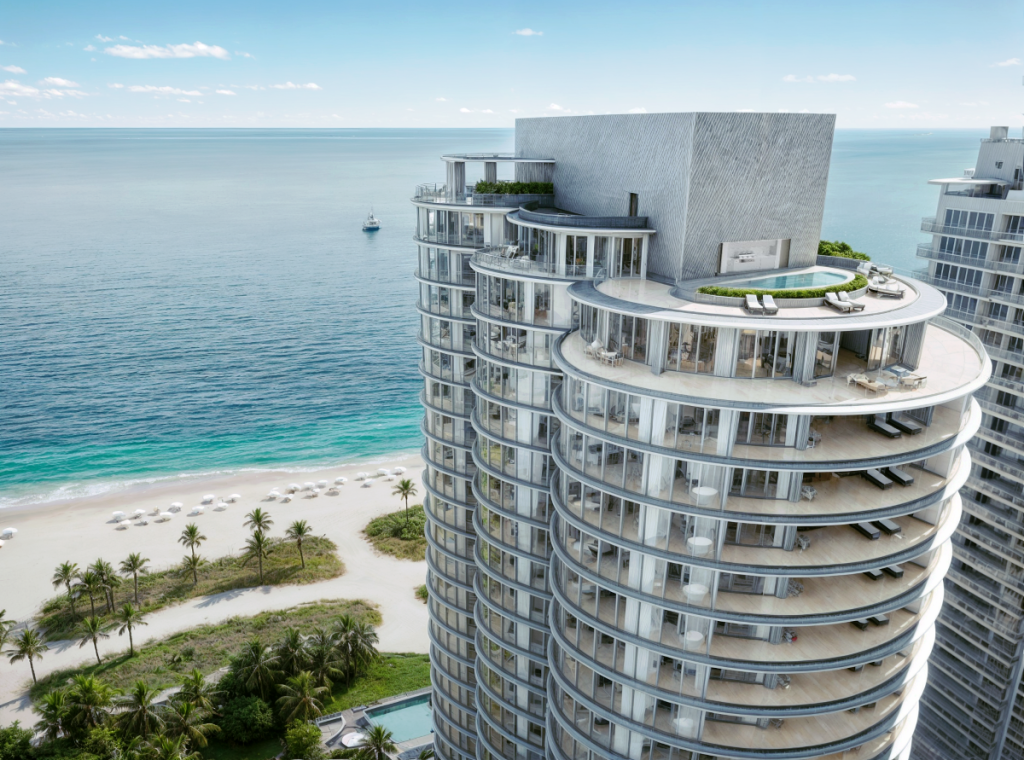
Competitive Positioning: Bal Harbour vs. Adjacent Ultra-Luxury Markets
To understand Bal Harbour’s market position in 2026, you need to understand how it compares to three adjacent ultra-luxury alternatives:
Bal Harbour vs. Surfside:
Both are ultra-luxury, oceanfront, and north-of-Miami-Beach. But they serve different buyers.
Surfside attracts residents who want oceanfront living with architectural prestige (Surf Club Four Seasons, designed by Pritzker Prize winner Richard Meier; FENDI Château, designed by Arquitectonica). Surfside buyers value design authority and the specific buildings themselves.
Bal Harbour attracts residents who want oceanfront living integrated with a curated lifestyle ecosystem. The building you live in is important, but it is secondary to the neighborhood context. A $5M residence at Bal Harbour might be less architecturally distinctive than a $5M residence at Surf Club, but the Bal Harbour resident can walk to the Hermès flagship and dine at Michelin-rated restaurants nightly, while the Surf Club resident can do those things by car.
This is not a value judgment, it is a positioning difference. Surfside sells design and exclusivity; Bal Harbour sells lifestyle integration and walkability.
Pricing reflects this. Surfside oceanfront trades at approximately $2,500 to $3,500 per square foot. Bal Harbour oceanfront trades at $3,000 to $5,000+. Bal Harbour commands a 20-40% premium, and that premium reflects the lifestyle integration and retail ecosystem, not just the oceanfront views.
Bal Harbour vs. Sunny Isles Beach:
Both attract international wealth and price-conscious ultra-luxury buyers. But Sunny Isles is higher-density and earlier in its luxury development cycle.
Sunny Isles has delivered Bentley Residences (pre-construction), Estates at Acqualina (established), Porsche Design Tower (established), and multiple other ultra-luxury towers. It is the primary oceanfront ultra-luxury address north of Miami-Dade. Pricing has appreciated significantly.
But Sunny Isles lacks the integrated retail and dining ecosystem that defines Bal Harbour. Residents in Sunny Isles live oceanfront and drive to Aventura Mall or to Bal Harbour Shops when they want to shop at luxury brands. Bal Harbour residents walk.
This difference produces a buyer-profile divergence: Sunny Isles attracts international buyers who prioritize oceanfront access and amenity quantity (Sky Club at Turnberry, car elevators at Bentley). Bal Harbour attracts buyers who prioritize integrated lifestyle and brand retail access.
Pricing: Sunny Isles oceanfront trades at $1,800 to $3,000+ per square foot (newer, higher-amenity buildings at the premium end). Bal Harbour trades at $3,000 to $5,000+. The price differential is meaningful and stable.
Bal Harbour vs. Aventura:
These are the most different of the three comparisons. Aventura is not oceanfront; it is Intracoastal and golf-course adjacent. It is lower-density, lower price-per-square-foot, and positions on value rather than exclusivity.
Aventura attracts buyers who want the Miami luxury lifestyle without the oceanfront premium. The trade-off is density and brand-retail access. Aventura has established residential communities and good retail (Aventura Mall), but it does not have the curation and walkability of Bal Harbour.
Pricing: Aventura Intracoastal luxury trades at $600 to $1,500 per square foot. Bal Harbour oceanfront trades at $3,000 to $5,000+. The 3-5x price premium reflects not just oceanfront views, but the ecosystem differential.
The Market in 2026: What the Data Reveals
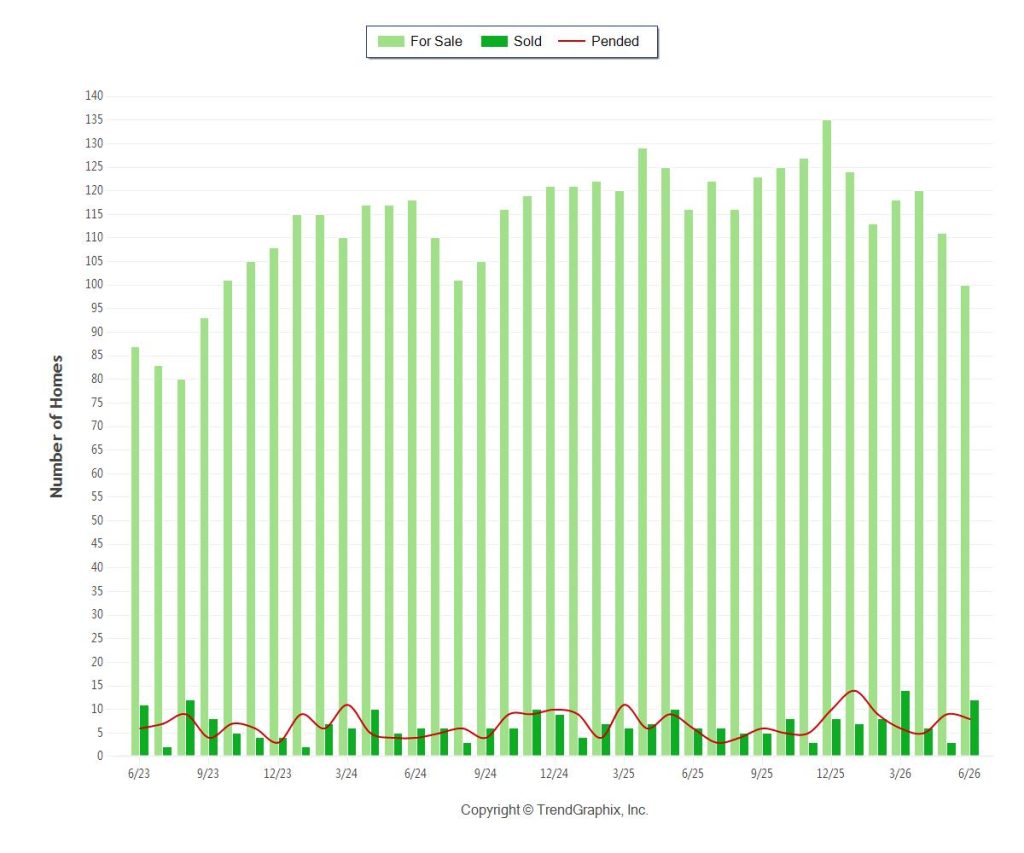
Bal Harbour’s real estate market in 2026 is characterized by scarcity-driven appreciation and low velocity.
Transaction data for Bal Harbour oceanfront luxury ($3M+) shows extended days-on-market (200+ days in many cases), limited active inventory (fewer than 10 active listings at any given time), and disciplined pricing. This is not a market of forced sales or inventory pressure; it is a market of controlled supply and selective buyers.
Price-per-square-foot appreciation has been consistent. Properties that sold for $2,200 per square foot in 2018 are trading at $3,500 to $4,500 per square foot in 2026. This 50-100% appreciation over eight years reflects steady demand from international wealth and limited supply additions.
New construction is minimal. Rivage Bal Harbour (pre-construction, targeting 2027) is the only major ground-up oceanfront project announced in recent years. Once Rivage delivers, there are no publicly announced new oceanfront developments in the pipeline, which means Bal Harbour’s oceanfront supply will remain capped for the foreseeable future.
Resale inventory is dominated by established buildings from the 1980s-2010s era (Oceana, Bal Harbour Beach Club, Crystal Tower, etc.). These buildings maintain their value but face increasing competition from newly delivered buildings in adjacent markets. Buyers choosing between an oceanfront 1990s building in Bal Harbour and a 2020-delivered oceanfront building in Sunny Isles are making a trade-off: heritage and ecosystem (Bal Harbour) vs. new finishes and amenities (Sunny Isles).
Buyer Profiles: Who Actually Lives in Bal Harbour
Bal Harbour attracts three primary buyer profiles:
International Wealth (50-60% of new purchases): Latin American executives, European business owners, Middle Eastern investors, and Asian ultra-high-net-worth individuals who view Bal Harbour as the Miami address. These buyers prioritize brand-name retail access, security, established infrastructure, and documented appreciation. Many are multi-home owners and do not occupy their residences year-round.
Domestic Ultra-Wealthy (30-40% of new purchases): US-based business owners, hedge fund managers, and generational wealth holders who want a Miami oceanfront address but do not require the brand-retail focus that defines younger ultra-luxury markets. Many are retirees or semi-retirees who occupy their homes seasonally.
Downsizers & Lifestyle Buyers (5-10% of new purchases): Established residents in other Miami neighborhoods who relocate to Bal Harbour late in life for the walkable lifestyle and proximity to restaurants and retail. These buyers are more price-sensitive than international capital and often buy resale units in established buildings.
These three profiles produce a buyer-pool composition that is unusual in ultra-luxury real estate: limited speculative buying, high intent-to-hold, and pricing discipline. When inventory is scarce, and the buyer base is wealthy and holds property long-term, prices do not crash during downturns and appreciation is steady rather than volatile.
The Investment Thesis: Why Bal Harbour Matters in 2026
If you are evaluating Bal Harbour as an investment in 2026, the thesis is straightforward:
First, permanent scarcity. Bal Harbour’s oceanfront land is fully developed and cannot increase in supply. New construction can only replace old construction, and Bal Harbour’s zoning does not permit density increases. This constraint is permanent and architectural, not regulatory and temporary. In a region where new supply constantly threatens resale values (Edgewater, Brickell, Downtown), Bal Harbour’s supply is fixed.
Second, integrated ecosystem. The neighborhoods retail, dining, and hospitality infrastructure is mature and established. Bal Harbour Shops alone represents billions of dollars in capital deployed over 60 years. This ecosystem cannot be replicated in emerging neighborhoods. New ultra-luxury markets (Edgewater, Downtown Miami) are working toward this integration; Bal Harbour already has it.
Third, buyer-pool stability. Bal Harbour’s buyer base is international wealth and generational wealth, not speculative buyers or short-term hold investors. When the buyer pool holds property long-term, prices appreciate steadily rather than crashing during downturns. The 2008 financial crisis and the 2020 pandemic both saw Bal Harbour resale prices hold their ground better than most Miami markets.
Fourth, pricing discipline. With limited supply and stable buyers, Bal Harbour does not see aggressive price-cutting or underwater situations common in other markets. Extended days-on-market reflect scarcity and selectivity, not distress. Sellers can wait for the right buyer at the right price because they do not have pressure from mortgages or forced sales.
The resale thesis is this: Bal Harbour is the most scarcity-constrained ultra-luxury oceanfront market in South Florida. If you buy at market price today, the primary path to appreciation is not from speculation or neighborhood trend, it is from global wealth concentration in a permanently supply-capped market.
The Neighborhood in Detail: What You Actually Experience
Retail & Shopping:
Bal Harbour Shops is the centerpiece, but it is only part of the ecosystem. The 250,000-square-foot outdoor mall anchors ultra-luxury retail: Chanel, Hermès, Prada, Gucci, Louis Vuitton, Dior, Fendi, Saint Laurent, Valentino, Burberry, Celine, and 50+ other premium and luxury brands. The shops do not include mainstream retail like Gap or H&M; the tenant mix is deliberately skewed toward heritage luxury brands.
Beyond the shops, Collins Avenue and surrounding blocks have boutiques, galleries, and secondary retail that cater to the ultra-wealthy. This is not a market-oriented retail environment; it is a luxury-oriented one.
Dining & Hospitality:
Bal Harbour Shops includes restaurant tenants like Café Prima Pasta (Italian, long-established destination), Balans (cosmopolitan), and seasonal pop-ups. Immediately adjacent to the shops are hotels (Four Seasons, Ritz-Carlton, upcoming Rivage) with restaurant venues accessible to residents.
The dining scene is not as dense as Miami Beach or Downtown Miami, but it is curated and high-quality. Residents eat well, but they eat within the Bal Harbour ecosystem or drive to Surfside or Miami Beach for additional options.
Beach Access & Recreation:
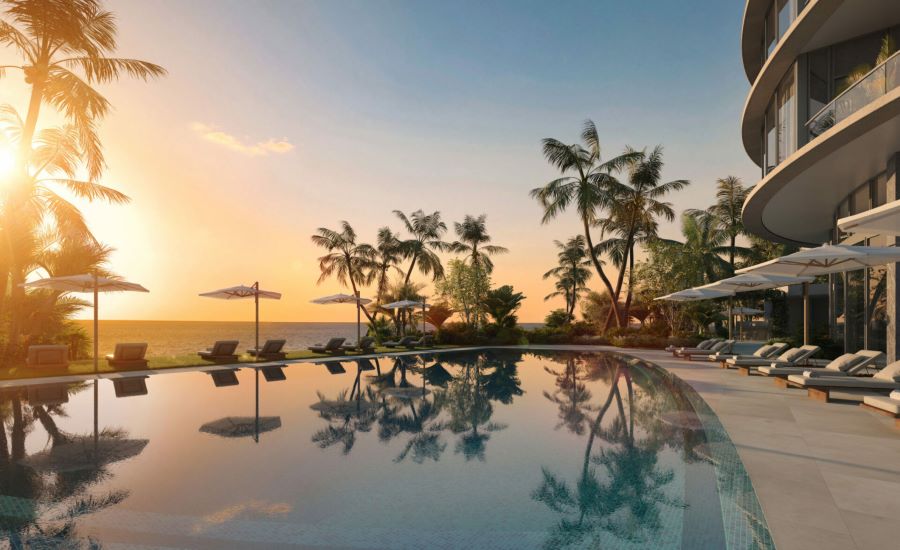
Bal Harbour has direct private beach access, managed through the retail complex. Residents can walk to the beach through the shops. The beach is not as wide or developed as South Beach, but it is pristine, private, and uncrowded — a significant distinction for ultra-wealthy residents who are purchasing quiet oceanfront access, not beach resort experience.
Golf is available through Bal Harbour Golf Club, located within the retail complex.
Community Infrastructure:
Bal Harbour is small (2.7 square miles) and has limited public amenities beyond shopping and beach. Schools are primarily private. Medical care requires travel to larger hospital systems in Miami or Hollywood. This is not a self-contained community in the way that some planned communities are; it is a neighborhood optimized for ultra-luxury oceanfront living and brand retail, not for family life or schools.
This matters when evaluating buyer fit. Families with school-age children often choose other neighborhoods. Empty-nesters and retirees choose Bal Harbour.
Frequently Asked Questions
What is the average price in Bal Harbour in 2026?
For oceanfront condominiums, average pricing ranges from $3.5M to $7M depending on unit size and floor. Penthouses and oceanfront estates can exceed $20M+. Bay-side units average $2.5M to $4.5M. Single-family oceanfront homes average $8M to $25M+. Prices have appreciated 50-100% over the past eight years.
Is Bal Harbour a good investment?
Bal Harbour is best suited for buyers who intend to hold property long-term and value scarcity and ecosystem over speculative appreciation. If you are betting on rapid flips or neighborhood trend plays, markets like Edgewater or Brickell offer more volatility. If you are betting on stable appreciation in a supply-constrained, wealthy-buyer-dominated market, Bal Harbour is positioned well.
How does Bal Harbour compare to Surfside?
Both are ultra-luxury and oceanfront. Surfside is more architecturally distinctive (Surf Club, FENDI Château); Bal Harbour is more lifestyle-integrated (walkable retail and dining). Surfside prices are 10-30% lower than Bal Harbour, reflecting the ecosystem premium.
Is Bal Harbour walkable?
Yes, but in a specific way. You can walk to retail, dining, and beach. You cannot walk to a grocery store, pharmacy, or medical care without a car. It is walkable for luxury amenities, not for daily practical life.
What are HOA costs in Bal Harbour?
HOA costs vary by building, but oceanfront towers typically run $1,500 to $3,000 per month for a three-bedroom residence. Older buildings (1980s-1990s) are at the lower end; newer or more amenity-heavy buildings are at the higher end. Reserve funding and insurance for oceanfront buildings post-Surfside have driven costs upward.
How long does it take to sell in Bal Harbour?
Oceanfront luxury ($ 3M+) typically takes 6-12 months to sell at asking price. Extended days-on-market (200+ days) are normal and reflect scarcity and selectivity, not distress. Pricing discipline and limited inventory mean sellers can wait for the right buyer.
Is Bal Harbour good for families?
No. Limited schools, limited family-focused amenities, and a buyer base skewed toward empty-nesters and retirees make other Miami neighborhoods better for families with school-age children.
Can I rent out a Bal Harbour condo?
Most oceanfront towers permit short-term rental, but restrictions vary by building. Some buildings limit rental to 3-4 times per year (long-term only), while others prohibit rental entirely. Always verify with the building association before purchase.
Ready to Explore Bal Harbour Real Estate?
Bal Harbour is Miami’s most scarcity-constrained ultra-luxury oceanfront neighborhood, defined by a permanent supply cap and an integrated retail and dining ecosystem that cannot be replicated in emerging markets.
For buyers evaluating oceanfront addresses, Bal Harbour sits at the intersection of heritage and exclusivity. You are not buying the newest building or the most trendy neighborhood. You are buying into a 60-year commitment to ultra-luxury living in a market where appreciation is predictable because supply is fixed and buyer demand is stable.
I specialize in Bal Harbour luxury residences across oceanfront towers and waterfront addresses, and can walk you through what the market is actually showing in pricing, absorption, and buyer profiles. If you are seriously evaluating an oceanfront purchase in Bal Harbour, understanding the competitive landscape (Surfside, Sunny Isles, Aventura) is essential, and understanding your own buyer profile and investment thesis is equally important.
Contact me directly for a personalized conversation about Bal Harbour, how it compares to other oceanfront alternatives, and what properties currently exist in the resale market.
📞 Call or text: 305.978.7704
📧 Email: AColeman@onesothebysrealty.com
🌐 Explore all Bal Harbour luxury residences
🌐 Browse oceanfront luxury across Miami-Dade
Related Bal Harbour & Nearby Neighborhoods:
If you’re evaluating Bal Harbour, understanding adjacent ultra-luxury oceanfront alternatives is essential:
Ultra-Luxury Oceanfront Comparables: Surfside Luxury Real Estate Guide 2026 (Surf Club Four Seasons, FENDI Château proximity), Sunny Isles Beach Luxury Condos (Bentley Residences, Turnberry Ocean Club, Estates at Acqualina), and Aventura Luxury Condos (Intracoastal alternative with lower price points).
Major Bal Harbour Residential Buildings: Rivage Bal Harbour (pre-construction SOM architecture), Oceana Bal Harbour (established), Bal Harbour Beach Club (oceanfront classic).
Understanding each neighborhood’s positioning, buyer profile, and amenity philosophy is essential before making an ultra-luxury oceanfront purchase.
Contact: 305.978.7704 · AColeman@onesothebysrealty.com
Information provided is for informational purposes only and subject to change without notice. Real estate pricing, market data, and neighborhood information are current as of August 2026 and sourced from MLS records, public tax data, and market observations. Verify all details directly with listing agents, the county assessor, or your legal and financial advisors prior to making any investment or transaction decisions.





