


Miami branded residences have become one of the defining trends in South Florida luxury real estate.
Four Seasons. Ritz-Carlton. St. Regis. Aman. Rosewood. Porsche. Bentley. Aston Martin. Armani. Fendi. Missoni. Cipriani. Waldorf Astoria.
The names are powerful.
For developers, attaching an internationally recognized brand to a condominium can create immediate differentiation, attract global buyers and help justify premium pricing during preconstruction.
For buyers, however, the more important question comes later:
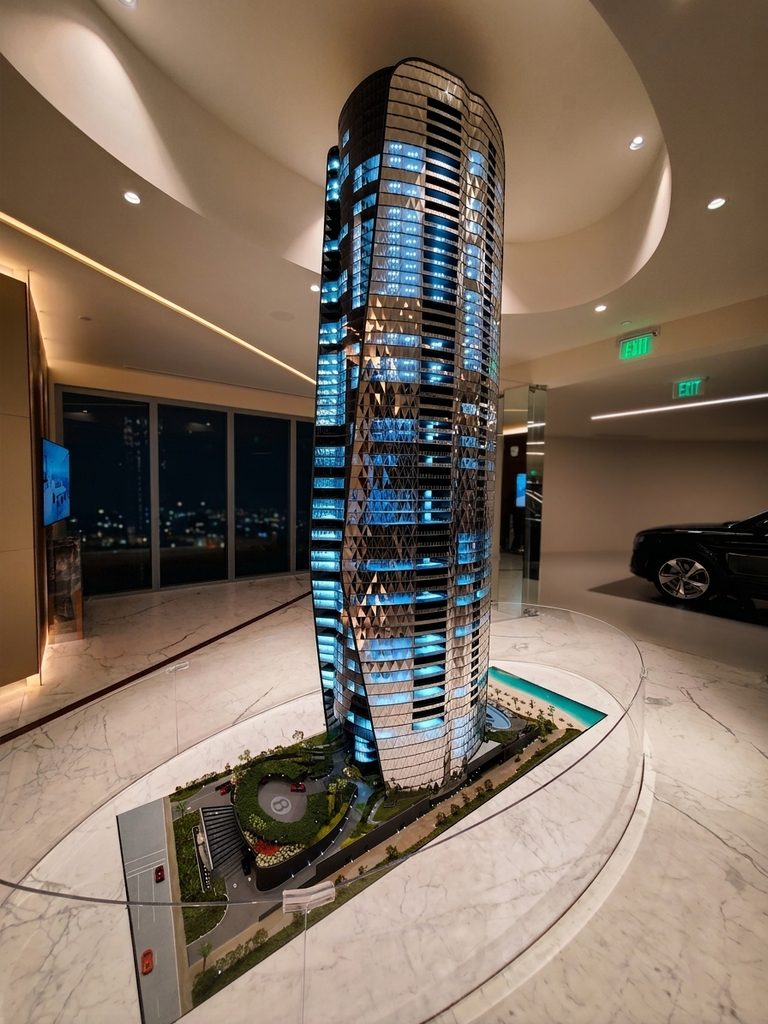
Does the brand still matter after the sales gallery closes?
The 2026 resale market suggests the answer is yes—but not equally, and certainly not automatically.
For this report, I analyzed current inventory and 2026 closed sales at seven delivered Miami-area branded developments:
- Four Seasons Residences at The Surf Club
- Fendi Château Residences
- Ritz-Carlton Residences Sunny Isles Beach
- Residences by Armani/Casa
- Missoni Baia
- Aston Martin Residences
- Porsche Design Tower
These aren’t directly comparable properties, and that’s precisely what makes the analysis interesting.
At Four Seasons Residences at The Surf Club, the supplied 2026 MLS data includes closed sales reaching $44 million, with individual transactions approaching $8,000 per square foot. At Porsche Design Tower, conventional 2026 closings in the supplied dataset are concentrated around approximately $1,000–$1,300 per square foot.
Meanwhile, Missoni Baia’s conventional tower closings range from approximately $916 to $1,302 per square foot, despite carrying another internationally recognized fashion identity.
All are branded.
All are luxury residential developments.
Yet their resale markets operate at dramatically different levels.
That leads to the central argument of this report:
A luxury brand can strengthen Miami real estate—but the most durable premiums appear when the brand reinforces genuinely scarce real estate rather than attempting to substitute for it.
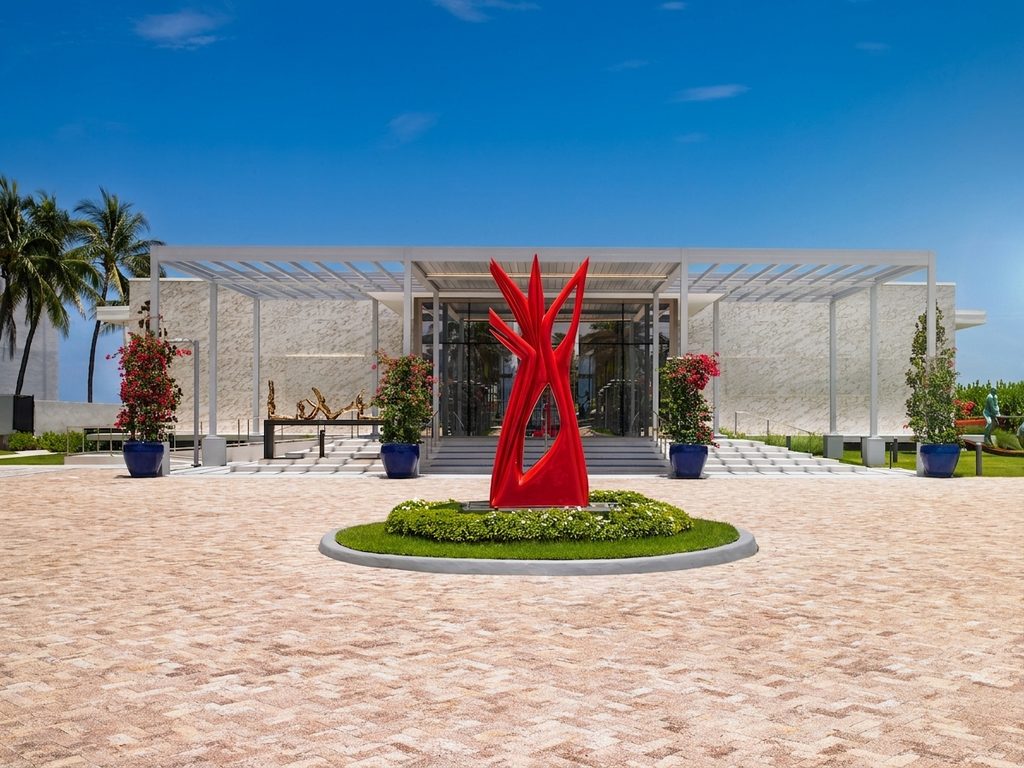
What Is a Branded Residence?
A branded residence is a residential development associated with a recognized hospitality, automotive, fashion, design or lifestyle brand.
In Miami, the concept has expanded into several distinct categories.
Hospitality Brands
Four Seasons, Ritz-Carlton, St. Regis, Waldorf Astoria, Aman and Rosewood.
Automotive Brands
Porsche, Aston Martin and Bentley.
Fashion and Design Brands
Armani/Casa, Fendi and Missoni.
Culinary and Lifestyle Brands
Cipriani and an expanding group of specialized hospitality and lifestyle concepts.
But these categories don’t necessarily produce the same ownership experience—or the same resale economics.
A hospitality brand may affect daily ownership through staffing, management and service standards.
A fashion or design brand may contribute more heavily to interiors, architecture and identity.
An automotive brand can create enormous marketing recognition and unusual amenities.
Ultimately, however, every branded residence becomes something much less glamorous:
a resale.
And that’s where actual buyer behavior begins testing the value of the brand.
Seven Branded Residences, Seven Different Resale Stories
It would be misleading to rank these developments solely by price per square foot.
They occupy different locations, were delivered at different times, contain different numbers and types of residences, and target different buyers.
Instead, each helps answer a different question.
| Development | What the 2026 Resale Data Helps Test |
|---|---|
| Four Seasons Surf Club | Brand + trophy scarcity |
| Fendi Château | Fashion brand + boutique oceanfront scarcity |
| Ritz-Carlton Sunny Isles | Hospitality + oceanfront + resale liquidity |
| Armani/Casa | Fashion/design + oceanfront + internal competition |
| Missoni Baia | Fashion/design + Edgewater waterfront |
| Aston Martin | Newly delivered automotive branding |
| Porsche Design Tower | Mature automotive-branded resale |
The important question isn’t which logo is strongest.
It’s what real estate sits behind it.
Four Seasons at The Surf Club: When the Brand Reinforces Irreplaceable Real Estate
Four Seasons Residences at The Surf Club provides the clearest example in this dataset of a branded residence operating at the trophy level.
The supplied 2026 MLS data includes sales from approximately $6.2 million to $44 million.
At the upper end, reported sold pricing includes approximately:
$7,949/SF
$7,143/SF
$5,134/SF
Those numbers dwarf most conventional Miami condominium markets.
But concluding that buyers are simply paying a Four Seasons premium would miss the point.
The Surf Club combines several layers of scarcity:
- Four Seasons hospitality
- historic Surf Club identity
- Surfside oceanfront
- limited residential inventory
- trophy-sized residences
- international buyer recognition
Take away the Four Seasons name and the underlying real estate would still possess extraordinary characteristics.
The brand strengthens an already scarce asset.
Even Trophy Buyers Negotiate
The dataset includes a penthouse offered at approximately $49.9 million that ultimately closed around $44 million.
That demonstrates something worth remembering throughout this report:
Prestige does not eliminate price discovery.
Even at one of Miami’s most coveted branded properties, asking price and executable value remain different concepts.
Fendi Château: Boutique Scarcity Makes Conventional Statistics Difficult
Fendi Château presents a different case.
There are relatively few residences, and transaction volume can therefore be extremely limited.
The supplied dataset shows just four active listings, with asking prices around approximately $3,578–$3,934 per square foot, plus a $16.75 million pending residence.
The conventional closed-sale section contains only one transaction in the supplied period:
$10.3 million at approximately $3,251 per square foot.
One transaction obviously isn’t enough to establish a statistically meaningful building-wide resale trend.
But the lack of transactions is itself informative.
Low transaction volume can be a characteristic of genuine scarcity.
In a boutique building, months can pass without a truly comparable residence trading.
One exceptional listing can materially alter active inventory.
One closing can distort an annual average.
Fendi therefore demonstrates why boutique branded properties sometimes need to be valued residence by residence rather than spreadsheet by spreadsheet.
Ritz-Carlton Sunny Isles: The Hospitality Model With Observable Liquidity
Ritz-Carlton Residences Sunny Isles gives us a more conventional resale sample.
The supplied 2026 data includes five closed transactions ranging from approximately $3.2 million to $7 million, with sold pricing around $1,923–$2,355 per square foot.
Ritz-Carlton also represents perhaps the easiest branded-residence proposition for buyers to understand.
The brand is associated with hospitality.
Hospitality translates naturally into residential expectations:
- service
- staffing
- amenities
- management
- arrival experience
- concierge standards
For buyers already familiar with Ritz-Carlton properties internationally, that recognition can reduce uncertainty.
But the underlying real estate still matters enormously.
This is direct Sunny Isles Beach oceanfront.
The location and the hospitality brand reinforce each other.
Armani/Casa: Brand Recognition Meets Resale Competition
Residences by Armani/Casa provides another useful test.
The brand is unmistakable.
The architecture is distinctive.
And the property occupies direct oceanfront in Sunny Isles Beach.
But the supplied dataset contains approximately 35 active listings plus two active-with-contract records, while the conventional closed-sale section contains only four transactions in the report period.
That relationship matters.
A property can be luxurious, branded and oceanfront while still having substantial internal resale competition.
When many owners are simultaneously trying to sell, the buyer isn’t simply deciding:
“Do I want Armani?”
The buyer is comparing one Armani residence against another.
- Floor.
- View.
- Line.
- Size.
- Condition.
- Price.
- Seller motivation.
The brand gets the buyer into the building.
The individual residence still has to win the comparison.
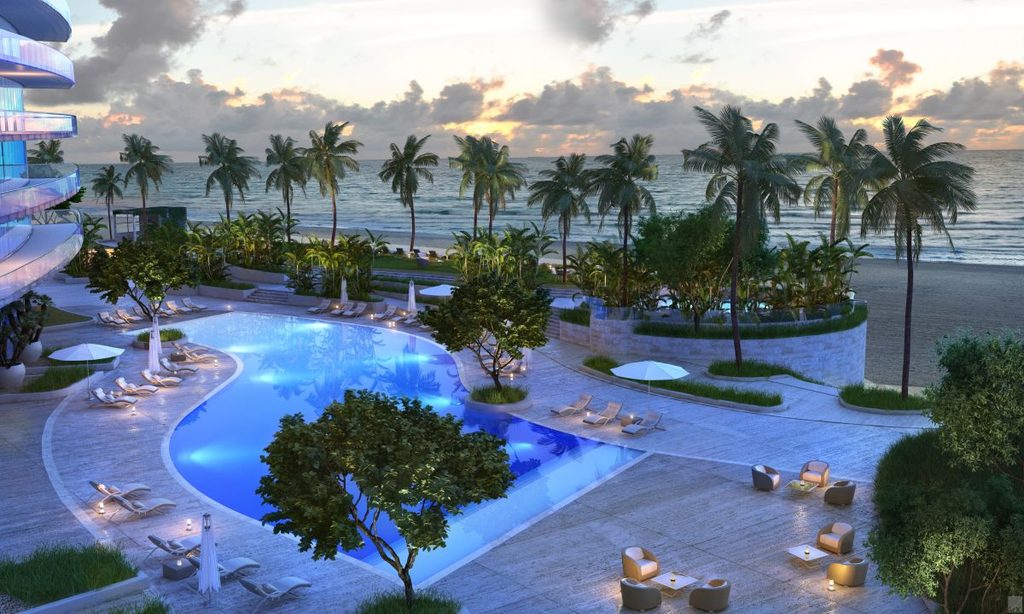
Missoni Baia: When Fashion Branding Meets a More Conventional Resale Market
Missoni Baia provides an important counterpoint to Miami’s ultra-luxury fashion-branded residences.
Completed in 2023 in Edgewater, the waterfront tower carries the identity of Italian fashion house Missoni, but its resale market operates at a substantially different price level from boutique oceanfront Fendi Château or much of the inventory at Armani/Casa.
The supplied 2026 MLS data contains active Missoni Baia residences asking from approximately $1.8 million to $6.5 million, with asking prices generally ranging from roughly $929 to $1,376 per square foot.
More importantly, the dataset provides multiple completed transactions.
Conventional tower residences closed at approximately:
| Sold Price | Sold $/SF |
|---|---|
| $1.750M | $916/SF |
| $2.230M | $950/SF |
| $3.075M | $1,302/SF |
| $3.900M | $1,027/SF |
| $4.000M | $1,056/SF |
A townhouse residence also closed for approximately $4.1 million, or $932 per square foot.
The significance isn’t that Missoni Baia is performing “better” or “worse” than Fendi Château or Armani/Casa.
That would be the wrong comparison.
The buildings occupy different locations, offer different waterfront positions and target different buyer pools.
Instead, Missoni demonstrates something more important:
A globally recognized fashion name does not create one universal fashion-brand premium.
Fendi Château’s boutique Surfside oceanfront scarcity creates one market.
Armani/Casa’s Sunny Isles Beach oceanfront setting creates another.
Missoni Baia’s Edgewater waterfront location creates another.
In each case, the brand helps establish identity.
The underlying real estate establishes the competitive set.
Aston Martin Residences: When the Resale Market Takes Over From the Developer
Aston Martin Residences provides one of the most interesting tests because the building is newly delivered.
Completed in 2024 at 300 Biscayne Boulevard Way, the tower combines an internationally recognized automotive name with a prominent waterfront location at the mouth of the Miami River.
But once a condominium delivers, something important happens:
The developer no longer controls the entire pricing narrative.
Individual owners begin competing with one another.
And the resale market begins establishing what buyers are actually willing to pay.
The supplied 2026 MLS data shows numerous Aston Martin transactions closing below their preceding asking prices.
Examples include:
$2.295M asking → $1.80M sold
$3.50M asking → $3.11M sold
$5.50M asking → $5.10M sold
$7.80M asking → $6.50M sold
That’s normal price discovery—not evidence that the building has somehow failed.
But it is important evidence.
Several conventional closings calculate to approximately $950–$1,400 per square foot, while the $6.5 million transaction equates to approximately $2,009 per square foot.
That dispersion suggests buyers aren’t simply assigning one universal Aston Martin premium to every residence.
They’re differentiating by:
- floor plan
- elevation
- size
- view
- individual residence characteristics
Meanwhile, the asking-price ceiling is extraordinary.
The supplied report contains a nearly 19,868-square-foot penthouse offered at $75 million.
That creates an enormous gulf between conventional resale activity and the building’s trophy-level asking ceiling.
The lesson:
The brand can help establish the building. The resale market still has to establish the value.
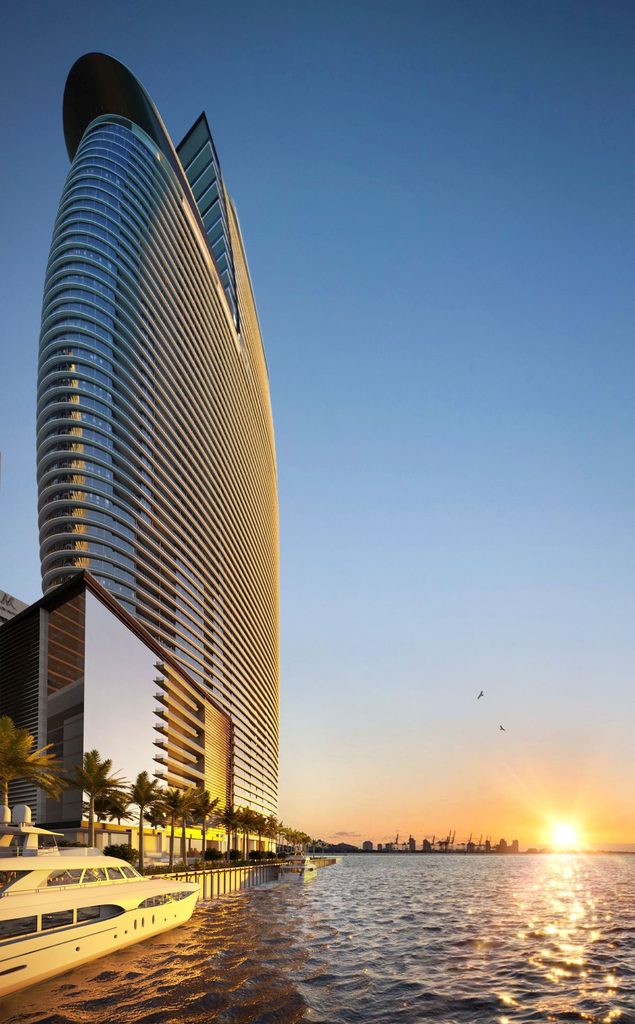
Porsche Design Tower: What Happens After the Novelty Phase?
Porsche Design Tower gives us something Aston Martin cannot yet provide:
time.
The tower has been delivered long enough for the market to move beyond its original launch story.
That makes Porsche particularly valuable for this analysis.
The supplied report contains approximately 20 active listings plus one active-with-contract residence.
Some sellers are asking roughly $2,000–$2,700+ per square foot, with trophy-penthouse asking prices substantially higher.
Yet five conventional 2026 closed sales in the supplied dataset are clustered around approximately:
$1,011–$1,278 per square foot.
Porsche remains one of Miami’s most recognizable branded condominium concepts.
Its automobile-elevator system gave the development something genuinely distinctive.
But the resale data provides an important warning:
Consumer brand recognition does not establish a permanent floor under resale pricing.
Ultimately, buyers still compare the real estate.
And the building must compete against every other property available at that buyer’s budget.
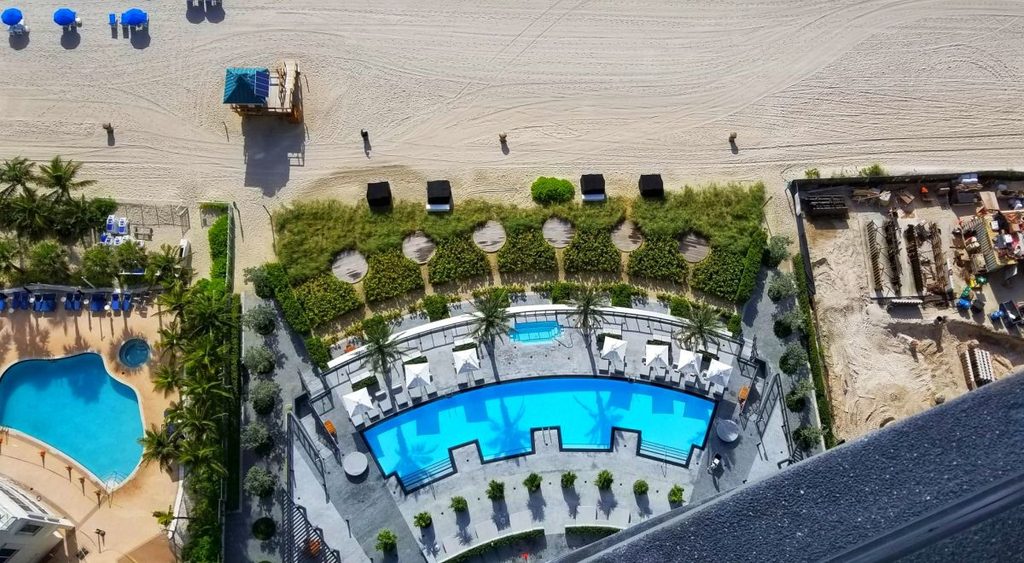
Aston Martin vs. Porsche Design: Does the Automotive Brand Survive the Resale Test?
This may be the most interesting comparison in the study.
Both developments attach globally recognized automotive identities to Miami luxury condominiums.
But they’re at very different stages.
Aston Martin
Newly delivered.
Fresh design.
Developer-era pricing is still relatively recent.
Owners are establishing initial resale benchmarks.
Porsche Design Tower
Established.
The original novelty phase has passed.
A longer resale history exists.
The market has had more time to determine what it values about the building independent of the original launch.
I would not declare a winner in 2026.
Aston Martin is too new.
Instead, Porsche provides a useful preview of the question Aston Martin will eventually face:
After buyers stop purchasing “the new Aston Martin building,” what premium will they pay simply to own an Aston Martin residence?
We won’t know that from one year of resale activity.
But we can watch it develop.
Fendi vs. Armani vs. Missoni: Does Fashion Branding Create Resale Value?
Comparing Fendi Château, Armani/Casa and Missoni Baia makes the limits of fashion branding particularly revealing.
All three properties use internationally recognizable fashion or design identities.
Yet their 2026 resale markets operate at dramatically different price levels.
Fendi Château has an exceptionally thin transaction sample, with the supplied closing at approximately $3,251/SF.
Missoni Baia’s conventional tower closings are approximately $916–$1,302/SF.
Armani/Casa sits within yet another competitive environment, with substantial active inventory in direct-oceanfront Sunny Isles Beach.
It would be tempting to conclude:
Fendi is the stronger brand.
But the data doesn’t prove that.
The underlying properties differ dramatically.
Fendi Château: boutique + Surfside + direct oceanfront + extreme scarcity.
Armani/Casa: direct Sunny Isles oceanfront + larger building + greater resale competition.
Missoni Baia: Edgewater + bayfront/waterfront + different price segment and buyer pool.
The better conclusion is:
Fashion branding doesn’t override real-estate fundamentals.
The brand may influence identity, design and buyer awareness.
Location and scarcity still exert enormous influence on resale value.
Hospitality vs. Automotive vs. Fashion: Which Type of Brand Creates Lasting Value?
Hospitality
Hospitality branding may have the clearest connection to ongoing ownership.
Residents can potentially experience the brand through:
- staffing
- service standards
- management
- amenities
- arrival experience
- concierge
- food and beverage
- other à la carte services where offered
The brand isn’t merely printed on the brochure.
It can affect everyday life.
Automotive
Automotive brands create enormous recognition.
They can also inspire distinctive architecture and amenities.
But the connection between making an exceptional automobile and operating an exceptional residential building is less direct.
That doesn’t make the branding meaningless.
It means the underlying real estate needs to carry more of the long-term value argument.
Fashion and Design
Fendi Château, Armani/Casa and Missoni Baia demonstrate why fashion branding cannot be valued independently from the underlying property.
Their 2026 resale markets occupy dramatically different price levels despite each carrying an internationally recognized fashion or design identity.
Location, oceanfront versus bayfront positioning, scarcity, residence size and competing inventory appear far more important to executable resale pricing than simply belonging to the same fashion-branded category.
The Most Important Finding: Brand Is a Multiplier, Not a Substitute
The seven datasets lead toward a relatively simple framework:
Brand + Scarcity + Real Estate + Service + Buyer Demand = Potentially Durable Premium
The Surf Club illustrates this particularly well.
Take away Four Seasons and you still have extraordinarily scarce Surfside oceanfront real estate with historic identity.
Add Four Seasons and the proposition becomes stronger.
Compare that with a development where the brand itself is the primary reason the property seems exceptional.
That’s a riskier proposition.
Brands can attract attention.
They cannot manufacture an irreplaceable site.
What the 2026 Data Does NOT Prove
This is important.
The fact that The Surf Club trades at dramatically higher prices per square foot than Porsche Design Tower or Missoni Baia does not prove that Four Seasons branding itself is worth several thousand dollars more per square foot.
That conclusion would be analytically wrong.
These buildings differ in:
- location
- age
- architecture
- land
- residence size
- density
- amenities
- service model
- buyer profile
- inventory
- historical significance
- waterfront orientation
- scarcity
The MLS data shows how branded residences are actually trading.
It does not isolate the monetary value of the logo.
That’s an important distinction whenever a branded development is marketed as deserving a specific premium.
The Preconstruction Problem
Branded residences can be particularly seductive during preconstruction.
The renderings are perfect.
The sales gallery is controlled.
Inventory is presented strategically.
And buyers may be comparing the project primarily with other new developments.
After delivery, the environment changes.
Owners list.
Investors exit.
Resale competition develops.
Actual association expenses become known.
The building begins aging.
Newer developments launch.
And buyers gain access to real comparable sales.
That’s when the market begins separating:
Marketing premium from real-estate premium.
Aston Martin is entering that phase.
Porsche has already been through it.
Missoni Baia, delivered in 2023, gives us another relatively young building in which the secondary market is establishing its own benchmarks.
What I Look for Before Paying a Branded-Residence Premium
1. Would I Want the Real Estate Without the Brand?
This is my first question.
If removing the logo destroys the investment thesis, I become cautious.
2. Is the Location Scarce?
Oceanfront.
Waterfront.
Protected views.
Limited land.
Those characteristics tend to survive marketing cycles.
3. Does the Brand Affect Daily Ownership?
A genuine hospitality relationship may be more meaningful to ownership than a licensing arrangement used primarily for design and marketing.
4. How Many Residences Exist?
Scarcity within the building matters.
5. How Much Resale Competition Exists?
Thirty similar listings create a very different environment from three.
6. What Are Buyers Actually Paying?
Asking prices tell us what sellers want.
Closed sales tell us where buyers and sellers actually agreed.
7. How Large Is the Ask-to-Sale Gap?
That can reveal whether sellers are pricing from actual market evidence or aspiration.
8. What Happens When the Building Is No Longer New?
This may be the most important question of all.
Every new building eventually becomes a resale building.
Should Buyers Pay More for a Branded Residence?
Sometimes.
The Premium Is Easier to Defend When:
- the underlying real estate is scarce
- the location is exceptional
- the brand materially affects service
- inventory is limited
- architecture is difficult to replicate
- the building demonstrates durable resale demand
I Become More Cautious When:
- the logo is the primary differentiator
- many nearly identical residences are available
- asking prices substantially exceed recent execution
- the premium relies heavily on novelty
- materially better real estate can be purchased nearby for the same money
A branded residence can be an exceptional purchase.
A famous name does not make an overpriced residence fairly priced.
What Should Sellers Take From This?
The brand gets attention.
It doesn’t eliminate competition.
Armani owners compete with other Armani owners.
Missoni sellers compete with other Missoni sellers.
Aston Martin sellers compete with other Aston Martin sellers.
Porsche owners compete not only within Porsche but against every luxury residence available at a similar price.
And at $10 million, $20 million or $40 million, that competitive universe becomes enormous.
The correct question isn’t:
It’s:
“What alternatives does my buyer have at my asking price?”
A Better Way to Classify Miami’s Branded Residences
I wouldn’t rank these seven developments from best to worst.
Instead, I’d classify the real-estate proposition supporting the brand.
Trophy Hospitality + Scarcity
Four Seasons Residences at The Surf Club
The brand reinforces already-irreplaceable real estate.
Boutique Fashion + Scarcity
Fendi Château
Limited inventory makes conventional statistics less useful.
Hospitality + Tradable Oceanfront
Ritz-Carlton Residences Sunny Isles Beach
Brand, service model and direct oceanfront combine with observable resale liquidity.
Design + Oceanfront + Internal Competition
Residences by Armani/Casa
Strong identity and location, but substantial inventory makes residence selection critical.
Fashion + Urban Waterfront
Missoni Baia
A younger Edgewater resale market demonstrating that fashion branding can exist at a dramatically different price level from boutique oceanfront branded residences.
Newly Delivered Automotive
Aston Martin Residences
The market is currently establishing post-developer resale benchmarks.
Mature Automotive
Porsche Design Tower
Longer resale history demonstrates why recognition and novelty do not guarantee permanent pricing power.
That’s more useful than asking:
Which brand is most famous?
Frequently Asked Questions About Miami Branded Residences
What is a branded residence?
A branded residence is a residential development associated with a recognized hospitality, automotive, fashion, design or lifestyle brand. The relationship can range from active management and services to design collaboration or licensing.
Do branded residences hold their value better?
Not automatically. The 2026 resale data analyzed here shows substantial differences among branded properties. Location, scarcity, residence quality, service, competing inventory and buyer demand remain critical.
Which branded residence had the highest prices in this analysis?
Among the seven datasets analyzed, Four Seasons Residences at The Surf Club recorded the highest 2026 closed prices and sold price-per-square-foot levels, including a $44 million closing and transactions approaching $8,000/SF.
Do fashion-branded condos command a consistent premium?
No consistent premium can be established from these datasets. Fendi Château, Armani/Casa and Missoni Baia operate in dramatically different resale environments, demonstrating the importance of location, scarcity and individual property characteristics.
What are Missoni Baia condos selling for in 2026?
In the supplied MLS dataset, conventional Missoni Baia tower closings range from approximately $1.75 million to $4 million, with sold pricing from approximately $916 to $1,302 per square foot. A townhouse residence closed for approximately $4.1 million.
Are automotive-branded condos a good investment?
They can be, but the automotive name alone shouldn’t form the investment thesis. Porsche Design Tower’s established resale history and Aston Martin’s developing resale market demonstrate why actual transactions matter.
Is Aston Martin Residences holding its value?
It’s too early to draw a long-term conclusion. The building is newly delivered, and the supplied 2026 data shows active price discovery, including multiple transactions closing below preceding asking prices.
Why is Four Seasons Surf Club so expensive?
The property combines Four Seasons hospitality with scarce Surfside oceanfront land, limited residences, historical identity and substantial trophy-buyer recognition. The brand is only one part of the value proposition.
Does a famous brand guarantee resale value?
No. Brand recognition can create awareness and differentiation, but resale value ultimately depends on what buyers will pay relative to competing properties.
Are branded residences worth the premium?
The strongest case exists when the brand adds service, identity or global recognition to real estate that is already scarce and desirable. Buyers should be more cautious when branding itself appears to be the primary differentiator.
Is resale better than buying a new branded residence?
Neither is universally better. Resale provides actual transaction history and known operating costs, while new construction can offer contemporary design, technology and amenities. The correct comparison is property-specific.
The Question I Would Ask Before Buying Any Branded Residence
Not:
“Do I like the brand?”
Not:
“Is this the newest building?”
And not:
“How impressive are the amenities?”
I’d ask:
“If this building had a different name tomorrow, would I still want to own this real estate at this price?”
If the answer is yes, the brand may be adding value to an already strong asset.
If the answer is no, the buyer may be paying too much for the story.
That’s the difference between buying a luxury residence that happens to have an extraordinary brand behind it—
and buying a brand that happens to come with a condominium.
For a private comparison of Miami’s branded residences based on your budget, preferred location, building style, service expectations and resale priorities, contact me directly.
📞 Call or text: 305.978.7704
📧 Email: AColeman@OneSothebysRealty.com
Explore Miami Luxury Real Estate
🌐 Miami branded & luxury condominiums
About the Market Data
This analysis uses supplied 2026 SEFMLS reports for:
Four Seasons Residences at The Surf Club, Fendi Château Residences, Ritz-Carlton Residences Sunny Isles Beach, Residences by Armani/Casa, Missoni Baia, Aston Martin Residences and Porsche Design Tower.
The datasets vary substantially in transaction volume and should not be treated as statistically equivalent samples. Fendi Château, for example, contains only one conventional closed transaction in the supplied period, while other developments provide larger samples.
The Missoni Baia report contains active, pending and closed records for residences at 700 NE 26th Terrace and identifies the building as 2023/2024 construction depending on the individual MLS record. The MLS report states that the information is believed accurate but not guaranteed.
The Aston Martin export also contains unrelated Waldorf Astoria Miami records resulting from nearby Biscayne Boulevard addresses. Those properties were not treated as Aston Martin inventory for this analysis.
Most importantly, this analysis does not attempt to isolate the monetary value of branding itself.
Differences among these properties reflect location, building age, waterfront orientation, residence size, condition, services, inventory, architecture, scarcity and numerous other variables.
The MLS data demonstrates how these branded properties are trading.
It does not prove how many dollars per square foot are attributable to the name on the building.
Current inventory, listing status and pricing can change at any time. Property-specific decisions should be based on current MLS information and appropriate due diligence.
Information is provided for informational purposes only and is subject to change without notice. Real estate statistics, listings and sales information should be independently verified. Nothing contained herein constitutes legal, tax, financial or investment advice. Buyers and sellers should consult appropriate professional advisors before making real estate decisions.





