


New vs Older Miami Luxury Condos 2026
The Short Answer
New construction does not carry a Miami-wide premium at the top of the market. It carries a premium in some submarkets and a discount in others.
In Sunny Isles Beach, condominiums delivered in 2019 or later closed at a median of $2,196 per square foot. Older buildings closed at $1,636. That is a 34% premium for new.
In Miami Beach, the same comparison runs the other way. New buildings closed at $2,427 per square foot. Older buildings closed at $2,984. New closed 19% below older.
The rule behind both numbers is simple. Newness pays where position is constant. Where position varies, position wins.
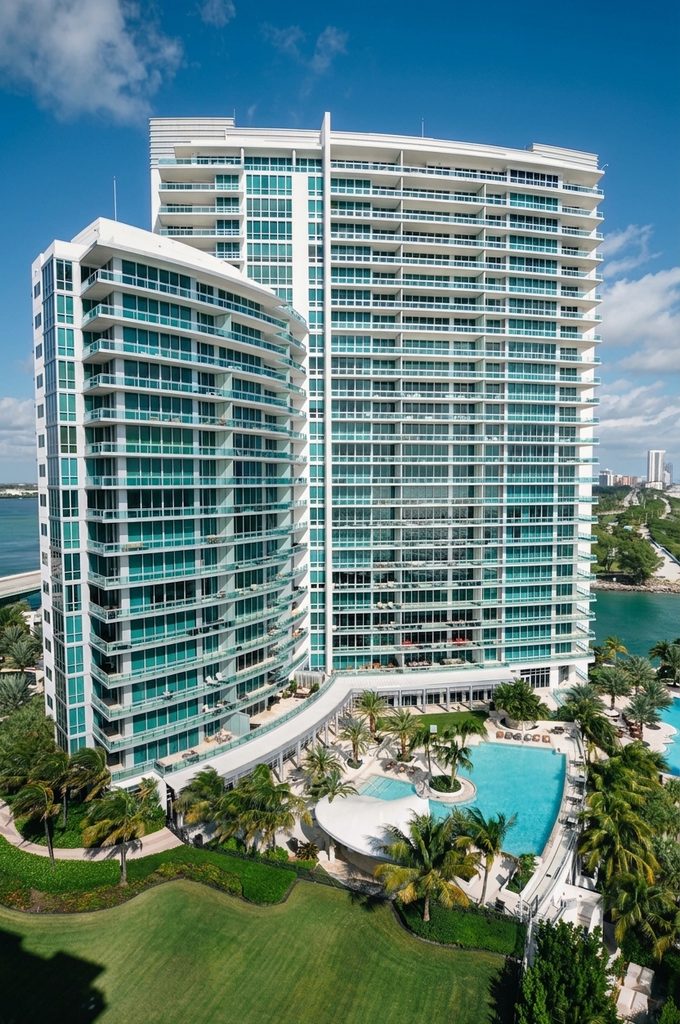
The Newness Premium by Submarket
These are closed sales above $5 million from January 2024 to September 2026, split by the year the building was completed.
| Submarket | New sales (2019 or later) | New median $/SF | Older sales | Older median $/SF | Newness premium |
|---|---|---|---|---|---|
| Sunny Isles Beach | 59 | $2,196 | 40 | $1,636 | +34% |
| Coconut Grove | 19 | $2,479 | 18 | $2,075 | +19% |
| Surfside | 5 | $4,170 | 36 | $4,335 | -4% |
| Key Biscayne | 9 | $1,825 | 27 | $2,185 | -16% |
| Miami Beach | 46 | $2,427 | 116 | $2,984 | -19% |
Four submarkets are missing from that table because one side of the comparison has too few sales. Bal Harbour recorded 30 closings above $5 million and not one of them was in a building delivered since 2019. Fisher Island recorded 41 older closings and 2 new. Downtown Miami is the reverse, with 19 new closings and 1 older. Brickell had 1 new closing.
That absence is itself information. In Bal Harbour and on Fisher Island, buyers above $5 million are still transacting almost entirely in delivered older product, because that is what exists. Bal Harbour’s 30 closings above $5 million ran at a median of $2,606 per square foot in buildings from 2006 to 2016, and the next new oceanfront product there is Rivage Residences Bal Harbour, which has no closed resales to price against yet.
Why Miami Beach Reads Negative
Miami Beach has the deepest sample in the data, 162 closings above $5 million, so the negative result is not a small-sample artifact. It is a composition result. The same composition problem runs along the price axis, not just the building axis. In What $5 Million Buys in Each Miami Submarket I measured how far a submarket’s overall price per square foot sits from the price a buyer at one budget actually pays. The gap runs from 31% in South of Fifth to 95% in Aventura. A published submarket average describes the transactions that happened. It does not describe yours.
Look at what the older cohort contains.
| Older Miami Beach building | Completed | Closings | Median sold $/SF |
|---|---|---|---|
| Setai Resort & Residences | 2005 | 2 | $5,584 |
| Ocean House | 2009 | 2 | $4,839 |
| Continuum South Beach, South Tower | 2002 | 28 | $3,663 |
| Faena House | 2015 | 6 | $3,496 |
| Continuum South Beach, North Tower | 2008 | 10 | $3,482 |
| Apogee South Beach | 2008 | 9 | $3,467 |
| The Edition Residences | 2014 | 3 | $3,450 |
| 1 Hotel & Homes South Beach | 2015 | 8 | $3,053 |
Now look at the new cohort.
| New Miami Beach building | Completed | Closings | Median sold $/SF |
|---|---|---|---|
| 57 Ocean | 2021 | 8 | $3,654 |
| Five Park Miami Beach | 2024 | 16 | $2,557 |
| Monad Terrace | 2021 | 6 | $2,427 |
| Five Park Miami Beach | 2025 | 6 | $2,064 |
| Ritz Carlton Miami Beach | 2019 | 8 | $1,828 |
57 Ocean is the answer to the whole question. It is new, it is oceanfront in mid-beach, and it closed at $3,654 per square foot, inside the trophy range and above every older building in the table except three. Newness did not hurt it.
The rest of the new cohort is not oceanfront. Five Park sits at the entrance to South Beach on Alton Road. Monad Terrace faces west onto the bay. The Ritz-Carlton Residences, Miami Beach sits on the bay side at 4701 North Meridian. They are new, well built and well finished, and they closed 25% to 50% below Continuum and Apogee, which are 18 and 24 years old and sit directly on the sand in South of Fifth.
Holding the waterfront flag constant does not reverse it. Among Miami Beach closings with an MLS waterfront flag, new buildings closed at $2,286 per square foot and older buildings at $3,009, a 24% discount for new. The waterfront flag covers bayfront as well as oceanfront, which is exactly the point. Water is not one attribute. I measured what each view designation is worth in Miami’s Most Valuable Condo Views 2026.
Why Sunny Isles Reads Positive
Sunny Isles Beach is a single strip of oceanfront towers. 99% of the new closings and 100% of the older closings above $5 million carry a waterfront flag. Position is nearly constant across the whole submarket, so the building itself becomes the variable that moves price.
| Sunny Isles building | Completed | Closings | Median sold $/SF |
|---|---|---|---|
| Estates at Acqualina, South Tower | 2022 | 19 | $2,312 |
| Estates at Acqualina, North Tower | 2023 | 15 | $2,144 |
| Ritz-Carlton Residences Sunny Isles | 2020 | 9 | $2,091 |
| Turnberry Ocean Club | 2020 | 11 | $1,986 |
| Regalia | 2014 | 4 | $2,023 |
| Jade Signature | 2018 | 7 | $1,908 |
| Armani Casa | 2019 | 5 | $1,782 |
| Porsche Design Tower | 2016 | 3 | $1,645 |
| Mansions at Acqualina | 2015 | 13 | $1,497 |
The newest buildings sit at the top and the ten-year-old buildings sit at the bottom, with two exceptions. Regalia, a 2014 boutique building with one residence per floor, prices with the new towers. Armani Casa, delivered in 2019, prices below several older buildings.
So even inside a submarket where newness pays, the building still has to be the right building. Scarcity and floor plan beat the delivery date. That is the same conclusion as my Irreplaceability Premium framework.
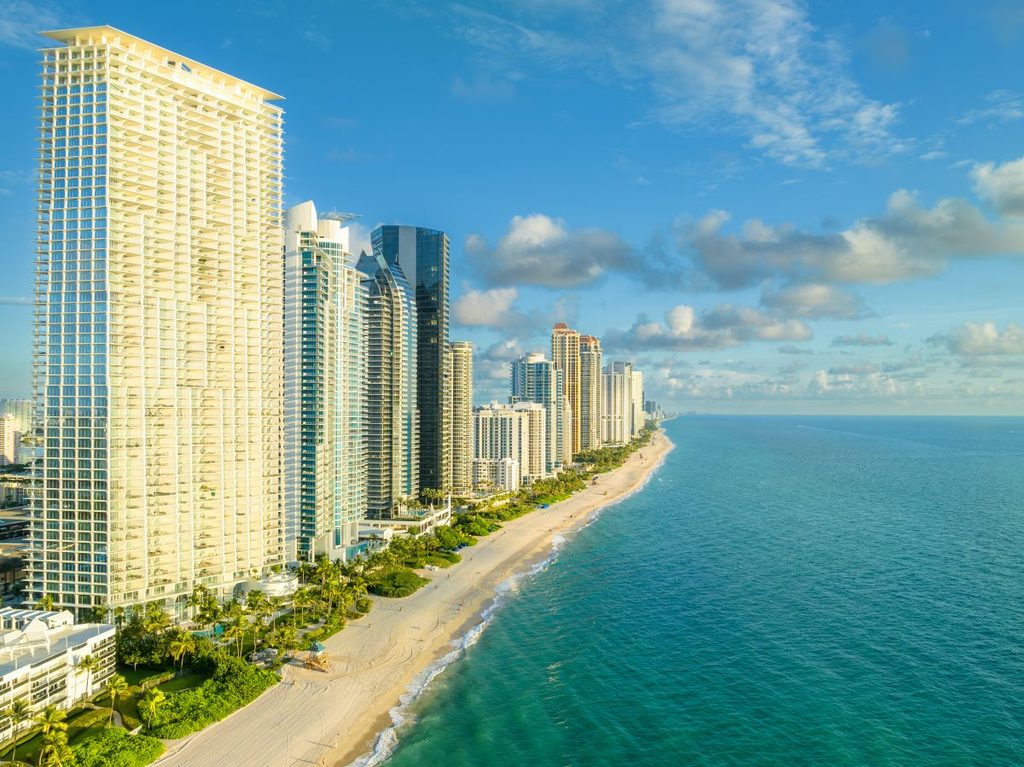
The Delivery Gap at the Top of the Market
Pre-construction asking prices are a different question from delivered closing prices. Across the whole dataset, 48 active listings in buildings scheduled for 2027 or later ask a median of $2,935 per square foot. Buildings that actually delivered in 2024, 2025 or 2026 closed at a median of $2,357. That is a 25% gap between what unbuilt product asks and what newly delivered product closes at.
By submarket, the gap varies enormously.
| Submarket | Pre-construction listings (2027+) | Median asking $/SF | Median closing $/SF, delivered 2019+ | Delivery Gap |
|---|---|---|---|---|
| Downtown Miami | 16 | $2,698 | $1,543 | +75% |
| Miami Beach | 4 | $4,206 | $2,427 | +73% |
| Sunny Isles Beach | 3 | $2,868 | $2,196 | +31% |
| Surfside | 6 | $4,004 | $4,170 | -4% |
The Downtown and Miami Beach rows rest on few listings, so treat them as a direction rather than a measurement. The direction still matters. A buyer signing a Downtown pre-construction contract at $2,698 per square foot is paying 75% more than the most recent delivered buildings in that submarket have closed at.
Surfside is the one submarket where pre-construction asks below the delivered benchmark, because that benchmark is The Surf Club Four Seasons, which closed at a median of $4,335 per square foot in the older cohort. A new Surfside contract is being priced against an unusually strong comparable.
That gap is not automatically a loss. A contract signed in 2026 delivers in 2029, and the buyer is betting on three years of appreciation plus the value of being first. But the bet should be stated out loud before it is signed. I measured the same effect at the $1 million level in Miami new construction versus resale in Downtown and Brickell, where the Delivery Gap in newly delivered buildings ran 25%.
New Buildings Hold More Inventory Than Their Sales Support
This is the second half of the risk, and it is easier to measure.
| Building vintage | Closings above $5M | Median sold $/SF | Median CDOM | Sold to list | Active listings | Active per closing |
|---|---|---|---|---|---|---|
| Before 2000 | 45 | $1,839 | 157 | 92% | 27 | 0.60 |
| 2000 to 2009 | 125 | $2,553 | 123 | 92% | 70 | 0.56 |
| 2010 to 2018 | 186 | $2,529 | 213 | 94% | 91 | 0.49 |
| 2019 to 2023 | 126 | $2,156 | 209 | 94% | 68 | 0.54 |
| Delivered 2024 to 2026 | 50 | $2,357 | 156 | 93% | 79 | 1.58 |
| Pre-construction 2027 or later | 0 | None yet | None | None | 48 | No closed evidence |
Buildings delivered in the last three years carry 1.58 active listings for every closed sale. Every older cohort carries about half that. Those buildings hold 21% of active inventory above $5 million and produced 9% of the closings.
The reason is structural, not a sign of weakness. A newly delivered tower releases many residences into resale at once, as investors and early buyers exit. A 20-year-old building sells one residence at a time. But the effect on a seller is real: in a new building you are competing against your own neighbors, often with nearly identical floor plans, and the buyer can see every one of them.
Notice also that the sold-to-list column barely moves, from 92% to 94% across all five cohorts. Sellers of older product do not concede more. The negotiation is similar everywhere. What differs is the price level and the depth of competition.
What This Means for Buyers
Decide whether your submarket has a position variable. In Sunny Isles Beach and Bal Harbour, almost everything is oceanfront, so newness, service and floor plan are what you are buying. In Miami Beach, Coconut Grove and Key Biscayne, position varies street by street, and a new building in a weaker position will not hold value against an older building on the sand.
Price the new building against the best older building, not against the other new buildings. A new mid-beach tower asking $3,500 per square foot is competing with Continuum at $3,663 and Apogee at $3,467, both of which are proven, oceanfront and in South of Fifth.
Treat a pre-construction price as a forecast. The market is asking 25% more for unbuilt product than delivered product is closing at, and 70% or more in Downtown and Miami Beach. Ask what has to happen by delivery for that price to be the market price.
In a newly delivered building, count the competition before you buy. If 14 residences with your floor plan are listed, your exit is a queue. The Ask Gap analysis shows how far asking prices can sit above what those buildings actually close at.
What This Means for Sellers
In an older trophy building, newness is not the threat you think it is. In Miami Beach, buildings from 2002 to 2015 closed 19% above the new cohort. Position and pedigree held their value against three new towers.
In Sunny Isles, an older building must compete on price, plan or renovation. The 34% gap is real, and it is not going to be argued away with finishes. Mansions at Acqualina closed at $1,497 per square foot while Estates at Acqualina, next door and newer, closed at $2,312.
If you are selling in a building delivered since 2024, look at your neighbors first. Your building holds more inventory per sale than any older cohort. The first seller to price to the market sets the comparable for everyone else.
For current inventory by neighborhood, see Sunny Isles Beach, Miami Beach and Surfside on Miami Penthouses & Estates.
Frequently Asked Questions
Do new Miami condos sell for more per square foot than older ones?
It depends on the submarket. In closings above $5 million from January 2024 to September 2026, new buildings in Sunny Isles Beach closed 34% above older buildings and new buildings in Coconut Grove closed 19% above. In Miami Beach new buildings closed 19% below older ones, and in Key Biscayne 16% below.
Why do older Miami Beach condos sell for more than new ones?
Because the older buildings hold the better positions. Continuum South Beach, Apogee, Faena House, 1 Hotel & Homes, Setai and Ocean House are oceanfront and closed between $3,053 and $5,584 per square foot. The newest Miami Beach buildings in the data, other than 57 Ocean, are not oceanfront.
Is Miami pre-construction overpriced in 2026?
Pre-construction listings for 2027 and later ask a median of $2,935 per square foot. Buildings that delivered in 2024 through 2026 closed at a median of $2,357. That is a 25% gap. Whether the asking price is justified depends on how much the market moves before delivery, which nobody can verify today. The gap is a fact, and the forecast is an opinion.
Which Miami submarket rewards new construction most?
Sunny Isles Beach, at a 34% premium for buildings delivered in 2019 or later. Nearly every building there is oceanfront, so position is roughly constant and the building itself drives price.
Do newly delivered condo buildings have more resale competition?
Yes. Buildings delivered from 2024 to 2026 carry 1.58 active listings above $5 million for every closed sale. Every older group carries about 0.5. Those buildings hold 21% of active inventory and produced 9% of closings.
Does building age change how much below asking a condo sells for?
Almost not at all. Median sold-to-list ran from 92% to 94% across every vintage group, from pre-2000 buildings to those delivered in the last three years.
Buying or Selling in a New or Older Miami Condominium?
The value of a residence cannot be reduced to the year the building was finished. It depends on the position within the submarket, whether the water in front of it is ocean or bay, how many residences share the same floor plan, how much of the building is listed for sale right now, and what the best older building nearby is closing at.
If you’re evaluating a residence at Estates at Acqualina, Five Park, 57 Ocean, The Surf Club, Continuum, Turnberry Ocean Club or any Miami pre-construction tower, contact Ashton Coleman for a property-specific comparison using recent closed sales and current competing inventory.
Explore current listings on Miami Penthouses & Estates.
📞 305.978.7704
📧 AColeman@onesothebysrealty.com
About the Market Data
This analysis uses a Southeast Florida MLS (SEFMLS) export of Miami-Dade condominium closings above $5 million from January 1, 2024 to September 17, 2026, plus active listings as of September 2026. After removing one duplicate transaction, it contains 563 closings and 387 active listings.
532 of the closings report a year built, and those are the ones used in the vintage table. 517 report both a year built and a sold price per square foot, and 489 of those could be assigned to a submarket by street address and subdivision name. Submarkets were assigned by address, so a small number of borderline addresses may sit in a neighboring market.
“New” means the building was completed in 2019 or later, as recorded in the MLS year-built field. Pre-construction means an active listing in a building recorded as 2027 or later. The MLS year-built field for an unbuilt tower is the expected completion year and it moves when a schedule moves.
Price per square foot counts interior space only, so terraces are not in the denominator. Sold-to-list uses the list price on the closed record, which may be a reduced price rather than the original asking price. Building names were matched from address and subdivision fields, and two buildings appear twice in the tables because their towers carry separate addresses and completion years. MLS information is believed accurate but is not guaranteed.
Disclaimer
Information is provided for informational purposes only and is subject to change without notice. Real estate statistics, listings and sales information should be independently verified. Nothing contained herein constitutes legal, tax, financial or investment advice. Buyers and sellers should consult appropriate professional advisors before making real estate decisions.





