


For many buyers, owning a condo in Miami isn’t about relocating permanently.
It’s about having a residence waiting when winter arrives, spending several months near the ocean, escaping for long weekends, working remotely from South Florida or simply owning a piece of Miami that feels like home rather than a hotel.
That creates a different buying decision.
A second-home buyer may care less about school districts and daily commuting and considerably more about location, views, security, ease of ownership, building services, carrying costs and what happens to the residence during the months they’re away.
And in Miami, choosing the right residence is only half the decision.
Choosing the right building can matter just as much.
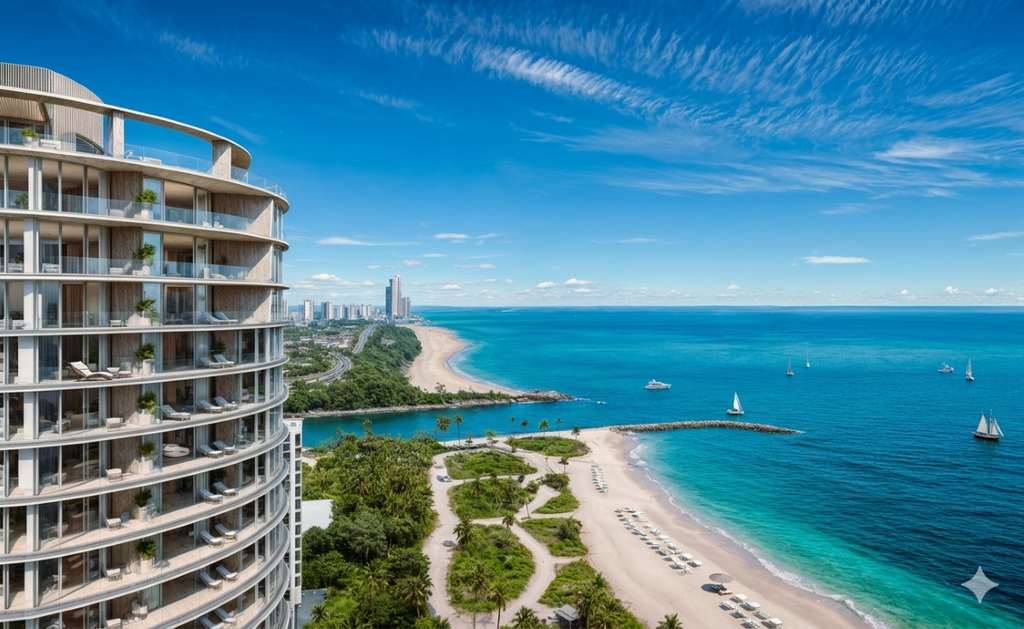
Why Miami Second-Home Buyers Need a Different Strategy
A primary residence has to work every day.
A second home has to work even when you’re not there.
That distinction changes the questions I would ask before buying.
How easy is it to arrive after being away for two months and simply start enjoying the residence?
Does the building provide valet, security, package management and other services that make part-time ownership easier?
How much will the condo cost during the months it sits unused?
Can family and guests use it?
Can it be rented when you’re away?
And if your plans change three or five years from now, how difficult will it be to resell?
The most impressive condominium isn’t necessarily the best second home.
The better purchase is often the residence that fits how you will actually use Miami.
Miami Beach, Bal Harbour, Surfside, Sunny Isles or Brickell?
One of the first decisions is not the building.
It’s where you want your Miami life to happen.
Miami Beach
Miami Beach offers the broadest variety of second-home options, ranging from established oceanfront towers along Collins Avenue to newer luxury buildings, South Beach residences and boutique developments.
Buyers can prioritize walkability, beach access, nightlife, dining or quieter residential sections depending on location.
Bal Harbour
Bal Harbour tends to appeal to buyers seeking a quieter and highly polished oceanfront environment with luxury shopping and dining nearby.
Inventory is limited compared with greater Miami Beach, particularly within the newest ultra-luxury buildings.
Surfside
Surfside provides a different atmosphere immediately south of Bal Harbour.
It combines beachfront living with a smaller residential community and has attracted substantial ultra-luxury development.
Sunny Isles Beach
Sunny Isles offers one of South Florida’s greatest concentrations of newer oceanfront condominium towers.
It can be particularly attractive to buyers who prioritize direct ocean views, newer construction and resort-style amenities over the walkability and urban character of South Beach.
Brickell
Brickell changes the proposition completely.
Rather than primarily buying a beach lifestyle, you’re buying into Miami’s urban core: restaurants, offices, nightlife, shopping and high-rise living.
For buyers who divide their time between business and leisure, Brickell can make more sense than the beach.
The correct neighborhood therefore depends less on which one is considered the “best” and more on why you’re buying the second home in the first place.
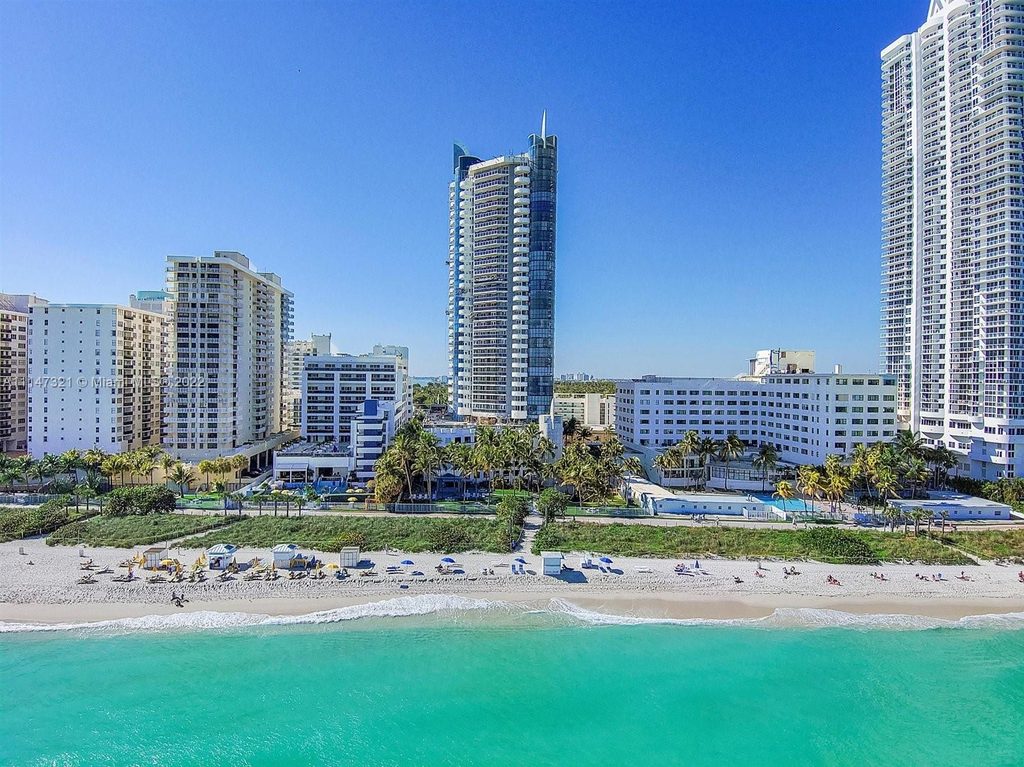
Oceanfront, Bayfront or Urban?
For second-home buyers, the view often becomes disproportionately important.
You’re not necessarily purchasing the residence because you need somewhere to live.
You’re buying an experience.
That makes a direct oceanfront terrace, sunset bay view or dramatic skyline exposure potentially more valuable to you than additional interior square footage.
But don’t confuse ocean view with oceanfront, or bay view with bayfront.
A residence can have a beautiful water view without the building actually sitting on the water.
Likewise, Miami’s direct oceanfront buildings can command substantial premiums that may or may not make sense depending on how frequently you’ll use the beach.
New Construction or Established Resale?
Miami second-home buyers are frequently attracted to new construction for obvious reasons.
New buildings can offer contemporary architecture, modern systems, elaborate amenities and residences requiring little or no renovation.
That has real value when the property isn’t your primary residence.
But it comes at a price.
Our analysis of $1 million-plus Miami Beach condominium sales in the supplied 2026 MLS dataset found that residences in buildings completed from 2015 onward had a substantially higher median sold price per square foot than those in older building cohorts.
That doesn’t automatically make older buildings better values.
It does mean buyers should understand exactly what they’re receiving for the new-building premium.
A renovated residence in an established oceanfront building can sometimes deliver considerably more space for the money.
New Construction vs. Resale Miami Condos 2026
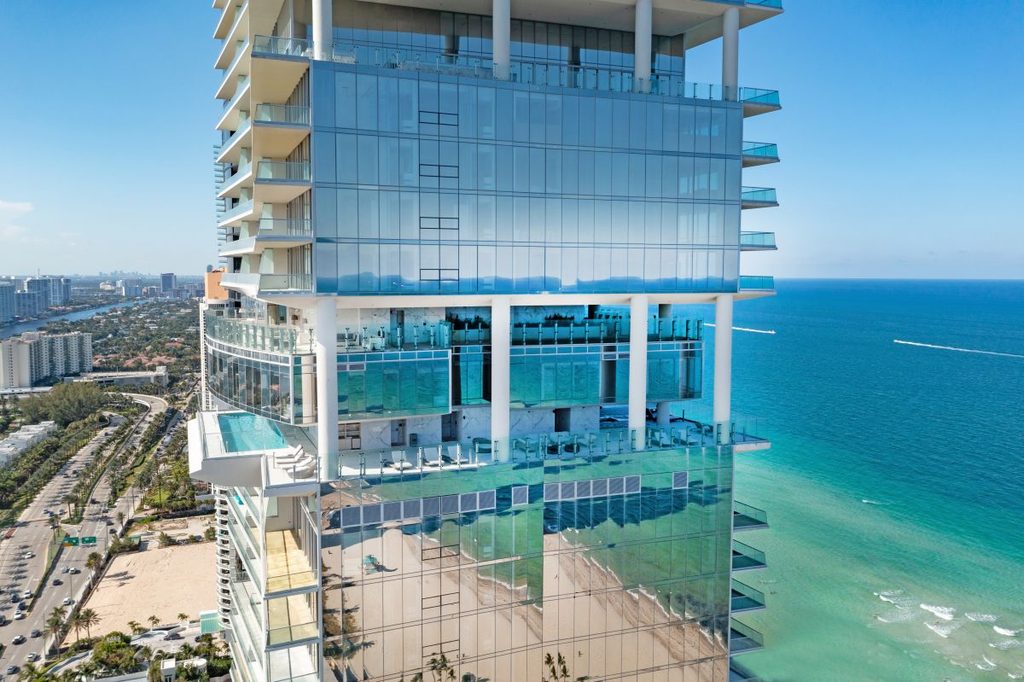
The Costs Continue While You’re Away
This is where second-home buyers sometimes underestimate Miami ownership.
A condo that sits empty for six months does not stop costing money.
Depending on the property, continuing expenses may include:
- Condominium/HOA fees
- Property taxes
- Insurance
- Electricity and utilities
- Internet
- Maintenance
- Assessments
- Financing
- Housekeeping or property-management services
- Club or membership expenses where applicable
For a luxury condominium, these costs can be significant.
That’s why I prefer looking at the annual carrying cost rather than simply asking whether an HOA fee seems high.
A residence with a lower monthly fee isn’t necessarily less expensive if the building is poorly reserved or approaching substantial capital work.
Can You Rent the Condo When You’re Not Using It?
This question needs to be answered before you buy, not afterward.
Rental restrictions vary dramatically between Miami condominium buildings.
Some buildings permit relatively flexible leasing.
Others may limit the number of leases per year, impose minimum lease periods or otherwise restrict rental activity. Short-term rentals are particularly building- and location-specific.
That means a buyer should never assume:
“I’ll just Airbnb it when I’m away.”
The economics of a second home can change substantially if your ownership plan depends upon rental income.
There is also a financing distinction. Under current Fannie Mae guidance, a qualifying second home must be occupied by the borrower for part of the year, be suitable for year-round occupancy and remain under the borrower’s control. A property functioning primarily as a rental or subject to arrangements giving a management company control over occupancy may not fit the conventional second-home definition.
If rental income is essential to making the purchase work, you may actually be evaluating an investment property—not simply a second home.
Financing a Miami Second Home
Financing a condominium involves two separate questions:
Can the buyer qualify?
and
A financially strong buyer can still encounter financing issues if a condominium project has problems involving insurance, reserves, structural condition, litigation or other project-eligibility considerations.
Fannie Mae’s current guidance specifically identifies certain condo-project characteristics—including projects operating as hotels, critical repair issues and certain ownership or operational structures—as potentially ineligible.
Second-home financing can also involve different reserve and underwriting requirements than financing a primary residence, particularly when a borrower owns multiple financed properties.
For that reason, buyers using financing should investigate both themselves and the building early in the search.
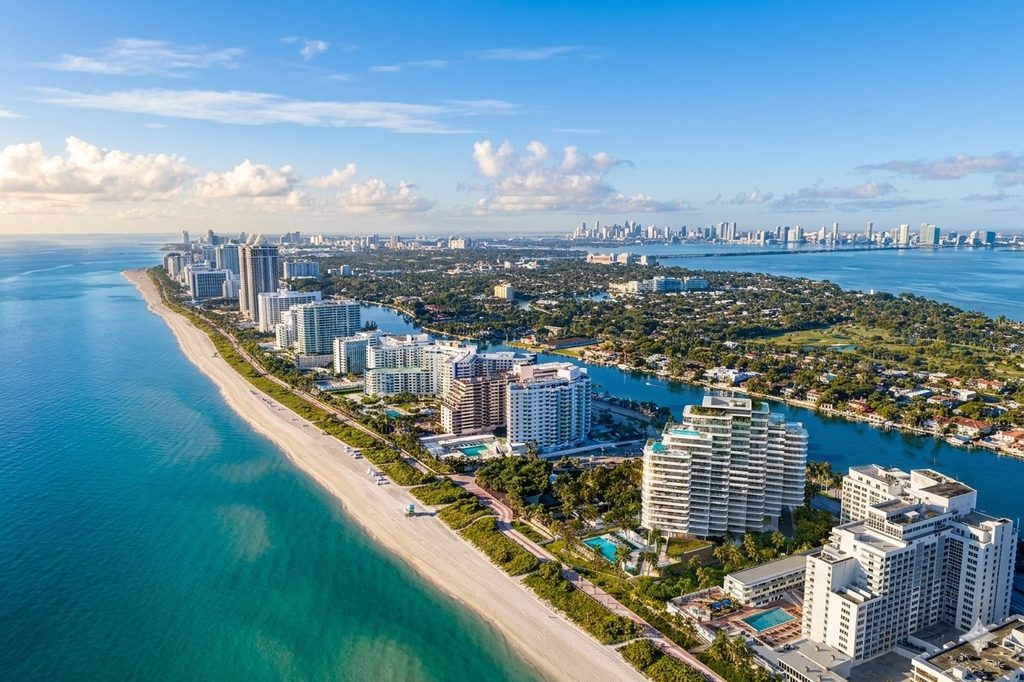
Insurance, Reserves and Assessments Matter Even If You’re Paying Cash
Cash eliminates the lender.
It doesn’t eliminate the building.
Second-home buyers should still understand the condominium association’s financial condition, insurance, reserves, planned capital projects and existing or anticipated assessments.
This becomes particularly important with older Miami Beach buildings.
An older building that has completed substantial work and maintains healthy finances can be a very different purchase from one facing years of deferred maintenance.
Likewise, a newer building isn’t automatically immune from financial or operational issues.
Building age is information. It isn’t due diligence.
Don’t Forget Closing Costs
The amount required to purchase a Miami condo extends beyond the negotiated price.
Title-related expenses, lender costs when financing, prepaid expenses and other transaction charges can increase the cash required at closing.
New-construction contracts can also allocate expenses differently from traditional resale transactions.
This becomes especially relevant when comparing two residences at similar asking prices.
A $3 million condo and another $3 million condo do not necessarily require the same amount of cash to acquire.
What Happens to the Condo While You’re Gone?
This is one of the least glamorous questions—and one of the most practical.
Luxury amenities matter.
So does having confidence that the building functions well when you are 1,000 miles away.
For a part-time residence, I would pay attention to:
Security. Package handling. Valet. Building access. Management responsiveness. Maintenance procedures. Guest access. Contractor access. Hurricane preparation.
Some buyers may also want a local property manager or caretaker who periodically checks the residence.
A second home should make your life easier.
If owning it creates another job, you’ve probably purchased the wrong property.
What Happens When You Eventually Sell?
Second-home buyers sometimes purchase emotionally and sell financially.
That’s dangerous.
Before buying, consider who is likely to purchase the residence from you later.
Will another second-home buyer want it?
Does the floor plan have broad appeal?
Is the view protected?
Will a developer still be selling competing residences?
Could substantially newer buildings be delivered nearby?
Does the building have an established resale market?
A residence can be wonderful to own without being particularly liquid.
Those are two different considerations.
For buyers who expect to own for only a few years, future marketability deserves more weight at the beginning of the purchase.
Miami Second-Home Buyer Checklist
Before purchasing, I would want clear answers to at least these questions:
- How will I actually use the residence?
- How many months per year will I occupy it?
- Do I want oceanfront, bayfront or urban living?
- What is my realistic annual carrying cost?
- Do I expect to rent the residence?
- What does the condominium association permit?
- Am I financing, and has the building been discussed with my lender?
- Are there current or anticipated assessments?
- What major building work has been completed or remains ahead?
- Who looks after the residence while I’m away?
- What competing inventory could affect eventual resale?
- Would I still want this property if I couldn’t rent it?
That last question is particularly useful.
If the answer is no, you’re probably making an investment decision rather than a second-home decision.
Frequently Asked Questions
Is Miami a good place to buy a second home?
Miami can be particularly attractive for buyers seeking warm weather, ocean access, international connectivity and a broad selection of luxury condominiums. Whether it makes financial sense depends on the specific residence, building, ownership costs and expected holding period.
Can I rent my Miami condo when I’m not using it?
Possibly, but rental rules vary by municipality and condominium association. Buyers should verify the rules for the exact property before relying on rental income.
Is a Miami condo easier to own part-time than a house?
Often, yes. Condominium buildings may provide security, management and maintenance of common areas that can make lock-and-leave ownership easier. The tradeoff is association fees, rules and shared financial obligations.
Can I finance a Miami condo as a second home?
Yes, qualifying properties and borrowers can be financed as second homes. However, lenders evaluate both the borrower and condominium project, and occupancy requirements apply.
Should I buy new construction for a Miami second home?
Not automatically. New construction may provide newer systems, modern amenities and turnkey ownership, while resale can offer more space or a lower price per square foot. Compare specific buildings rather than assuming newer is always better.
What is the biggest mistake second-home buyers make in Miami?
One of the biggest is focusing almost entirely on the residence while underestimating the building, annual carrying costs and ownership rules.
Final Takeaway
The best Miami second home isn’t necessarily the newest condo, the largest residence or the building with the longest amenity list.
It’s the property that works when you’re in Miami and when you’re not.
That means balancing location, lifestyle, view, building quality, carrying costs, rental flexibility, financing and eventual resale.
For one buyer, that could mean a new oceanfront residence in Sunny Isles Beach.
For another, it could be a renovated Collins Avenue condo with substantially more space.
And for another, it could mean a walkable South Beach residence or a Brickell condo that combines business and leisure.
Start with how you want to use Miami. Then choose the building. Then choose the residence.
Find the Right Miami Second Home
Buying a second home in Miami involves more than searching listings. The building, location and ownership structure should fit how often you’ll use the property, what you want to spend each year and what you may eventually want to do with it.
If you’re considering a Miami Beach, Bal Harbour, Surfside, Sunny Isles Beach or greater Miami luxury condo, I can help you compare buildings and residences based on the factors that actually matter to a second-home owner.
Contact Ashton Coleman to discuss your Miami condo search or request a customized comparison of the properties you’re considering.
Explore More: Miami Beach Luxury Condos for Sale | Miami New Construction Condos | Miami Penthouses for Sale

Real estate, financing, tax, insurance, condominium and rental regulations can change and may vary by property, municipality, association and buyer circumstances. This article is for general informational purposes and should not be considered legal, tax, lending or insurance advice. Buyers should independently verify property-specific information with the appropriate association and qualified professionals.





